
Trauma, Stress and Burnout: How Therapy and Support Can Help
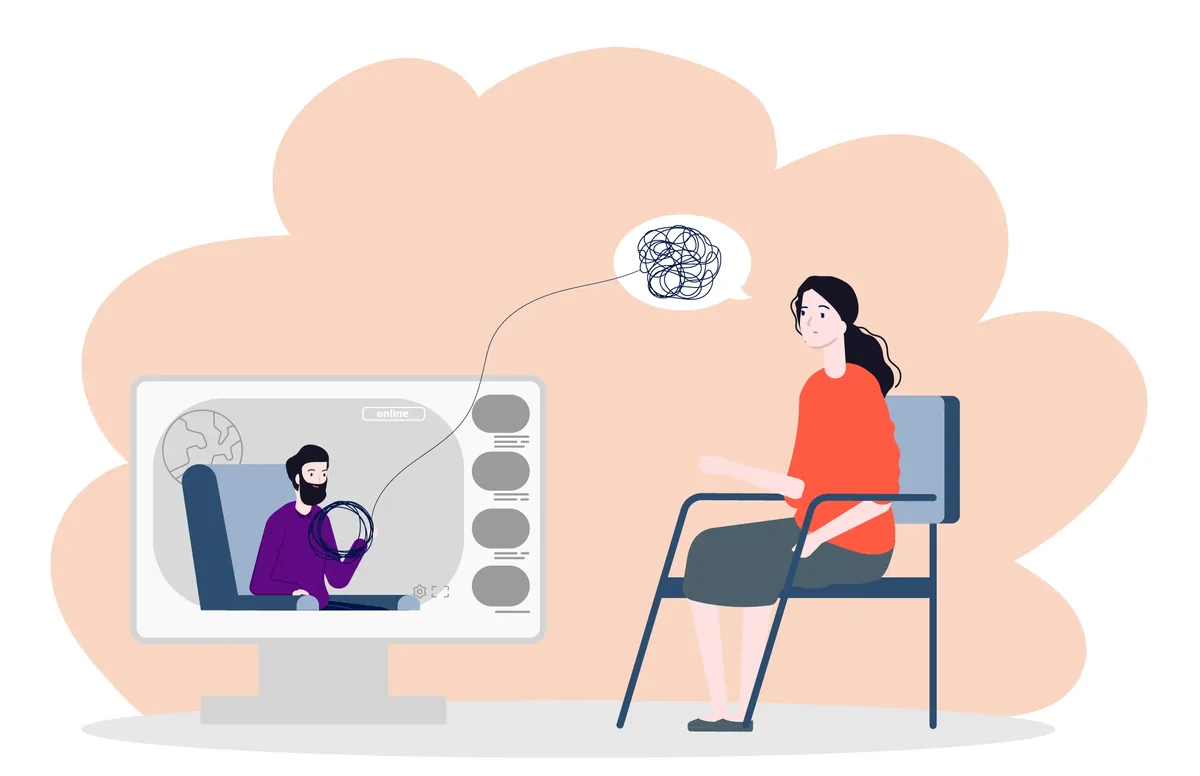
Most of us know what a hard week feels like. But there is a real difference between everyday pressure and the kind of chronic stress (stress that never switches off), burnout, and trauma that quietly change how you feel, think, and get through your day.
If you have been running on empty, struggling to feel present, snapping at the people you love, or waking up already tired, you are not broken. You may be carrying the weight of stress that has piled up, trauma that was never given room to heal, or the early signs of burnout. None of that is a character flaw. It is a load, and loads can be set down with the right help.
This guide explains what trauma, burnout, and chronic stress actually are, how they affect your body and mind, and what evidence-based therapies like CBT, EMDR, and somatic therapy can do to support real recovery. We will go in plain language, and we will hold space for the fact that you may be reading this on one of your harder days.
What Are the Signs of Burnout?
Common burnout symptoms include emotional exhaustion that rest does not fix, brain fog and trouble concentrating, cynicism and feeling detached from work and the people around you, physical signs like headaches and broken sleep, and a sense that nothing you do seems to matter. The World Health Organization recognizes burnout as an occupational phenomenon, which means it is a real response to your work life, not a personal failing.
Burnout is a state of long-running exhaustion that goes far past ordinary tiredness. According to Mental Health Research Canada, 39 percent of Canadian employees report feeling burnt out, and the cost to employers can reach up to $28,500 per worker each year. Those numbers tell you something simple and important: if you are burnt out, you are in very large company.
The signs of burnout usually show up like this:
- Emotional exhaustion: feeling drained no matter how much you rest. This is the most common symptom, and the one people notice first.
- Mental burnout: trouble concentrating, brain fog, and getting less done even when you are trying harder.
- Cynicism and detachment: feeling emotionally far away from your job, your coworkers, or even the people you love.
- Physical symptoms: headaches, broken sleep, getting sick more often, and tight, sore muscles.
- A shrinking sense of accomplishment: feeling like nothing you do makes a difference.
Workplace burnout is especially common in healthcare, education, and social services, where the work is heavy and the care never stops. And the strain is reaching people earlier in life too. In Ontario, CAMH found that psychological distress (serious mental and emotional strain) among students has roughly doubled over the past decade. Stress and burnout are touching people long before they ever reach the workforce.
If the burnout picture fits you, our explainer on burnout goes deeper into the condition and the support that helps.
Chronic Stress and Trauma: What Happens in the Body
Stress is a normal biological response. Short bursts of stress help us meet deadlines, react to danger, and perform under pressure. But when stress becomes chronic, the body never fully gets to power down. The fight-or-flight system (your body’s built-in alarm) stays switched on, flooding you with stress hormones for far longer than your body is built to handle. Living like that for months is what our piece on what survival mode does to mental health describes in plain terms.
Over time, chronic stress can lead to:
- Broken sleep and ongoing fatigue
- Digestive trouble and a weaker immune system
- More anxiety and a shorter emotional fuse
- Memory and concentration problems
- A higher risk of heart and blood-pressure problems
Trauma works differently. A traumatic experience, whether one overwhelming event or repeated, ongoing harm, can leave the nervous system stuck on high alert or shut right down. This is sometimes called nervous system dysregulation: the body stays braced for danger even when the danger has passed. Anxiety and trauma often travel together, and for many people trauma is part of what keeps the anxiety going.
Research from Statistics Canada found that more than 4.1 million employed Canadians live with high or very high levels of work-related stress, with heavy workloads and the struggle to balance work and personal life as the leading causes. This is not a small problem, and it is not something people can simply push through by trying harder.
Therapy Approaches That Help: CBT, EMDR, and Somatic Therapy
There is no single right path through trauma, burnout, or chronic stress. What helps most depends on your history, your nervous system, and what feels reachable for you right now. Below are three of the most evidence-supported approaches our clinical team uses. None of them promise a quick fix. What they offer is a real method, supported by research, and a person to walk it with you.
A Closer Look: EMDR Therapy for Trauma Recovery
EMDR, which stands for eye movement desensitization and reprocessing, is a structured trauma therapy that helps the brain reprocess painful memories so they lose their grip. It was developed in the late 1980s and now holds one of the strongest evidence bases of any trauma treatment. EMDR is often completed in fewer sessions than open-ended talk therapy, and it does not require you to describe the traumatic event in detail, which can make it feel less daunting to begin.
A 2024 meta-analysis in PubMed Central found no significant difference in treatment effect between EMDR and trauma-focused cognitive behavioural therapy, with both clearly outperforming people left on a waitlist. In plain terms, both are strong, well-studied choices, and the better one is the one that fits you.
A Closer Look: CBT for the Patterns That Keep You Stuck
CBT, or cognitive behavioural therapy, is a structured talk therapy that helps you notice the thoughts and habits that feed stress and keep it running, test those thoughts against what is real, and build steadier ways to respond. For burnout, CBT is especially useful for the beliefs that make overcommitting feel necessary, the quiet rules like “if I slow down, everything falls apart.” Cognitive behavioural therapy works well for chronic stress and emotional exhaustion because it gives you a repeatable method, not just insight, and the skills stay with you after therapy ends.
A Closer Look: Somatic Therapy and Nervous System Regulation
Somatic therapy is built on the understanding that trauma and chronic stress are held in the body and nervous system, not only as stories in the mind. Nervous system regulation means helping the body move out of fight-or-flight and back toward a felt sense of safety. Research in Frontiers in Psychology describes how chronic stress dysregulates the autonomic nervous system (the part that runs automatic functions like heart rate and breathing), and how body-based approaches help settle it.
This is also where emotional regulation grows. When the body learns that safety is possible, through slow, gentle attention to body sensations, movement, and breath, big feelings become easier to ride out instead of being swept away by them. No amount of willpower can talk a braced nervous system into calm. The body has to learn it, a little at a time.
How Do You Recover From Burnout?
Burnout recovery is gradual and rarely a single turning point. It tends to move through four phases: recognizing that burnout is a real physiological response, resting and stabilizing the nervous system, working through the patterns in therapy, and rebuilding life with sustainable boundaries. Early support recovers faster than waiting for a crisis to force the issue.
Knowing the stages can make the road feel less overwhelming. Recovery is nonlinear, and that is normal, not a sign you are failing at it.
Phase 1: Recognition
The first step is accepting that what you are feeling is not laziness, weakness, or failure. Burnout is a physical response to sustained overload. In Ontario and across Canada, work demands have grown heavier since 2020. Naming burnout for what it is takes the shame out of it, and that is where recovery begins.
Phase 2: Rest and Nervous System Recovery
Before deeper therapeutic work can take hold, the nervous system needs at least some baseline steadiness. This kind of rest is active, not passive. It means lightening the load where you can, protecting sleep, and building even small pockets of safety into your day. If most of your exhaustion follows you home from the job, our guide on how to stop feeling emotionally exhausted after work offers practical places to start. You are not being lazy. You are letting the alarm system come down off high alert.
Phase 3: Therapeutic Processing
This is where therapy becomes central. A burnout counsellor or trauma-informed therapist (a therapist trained to recognize how trauma shapes behaviour) helps you see the patterns, beliefs, and circumstances that drove you into burnout, and begin to loosen what keeps the cycle turning. When the exhaustion has gone on so long that you barely recognize yourself, it can help to read how emotional exhaustion can change who you are, and why that shift is not permanent.
Phase 4: Rebuilding With New Boundaries
Recovery from burnout is not just about getting back to where you started. It is about building a life you can actually sustain. CBT helps challenge the beliefs that make overcommitting feel mandatory. Research from Mental Health Research Canada points to a hopeful pattern: when workplaces and people invest in prevention and support, burnout rates fall sharply. Support genuinely changes the trajectory.
When to Seek Therapy for Stress, Burnout, or Trauma
People often wait to ask for help until they feel bad enough to deserve it. But early support tends to work better than waiting until you are in crisis. You do not have to hit bottom to be allowed to reach out. Consider talking to someone if any of these fit:
- You have felt emotionally exhausted for weeks, and rest is not helping.
- You are having intrusive memories, nightmares, or flashbacks to past events.
- Your ability to focus, feel motivated, or enjoy anything has clearly dropped.
- You are leaning on alcohol, substances, food, or screens to numb emotional pain.
- Relationships at home or work are suffering, and you do not know how to fix them.
- You feel disconnected from yourself, or from who you used to be.
If you are weighing this up, our guide on how to find a therapist walks through what to look for and how to start.
A note on safety, because this topic touches deep pain for many people:
Saalvio is not a crisis service. If you are in immediate danger, please call 911. If you are in mental health crisis, please call 988 (the Suicide Crisis Helpline of Canada) or visit your nearest emergency department. You can also find more options on our crisis resources page.
In Ontario, getting timely mental health care has long been a barrier for many people, with waitlists and travel making support hard to reach. Online therapy in Ontario through Saalvio is delivered by registered psychotherapists and registered social workers trained in CBT, EMDR, somatic approaches, and trauma-informed care, so you can meet with someone from your own home. If you are not ready to book, you can message a registered psychotherapist before you book and ask whatever you need first. There is no cost and no commitment, and it is a no-pressure way to see whether the fit feels right. Every Canadian’s first therapy session with a Saalvio clinician is free, so taking the first step is not a financial gamble.
Across the rest of Canada and North America, the Saalvio app offers self-help tools, guided practices, mood tracking, and structured self-assessments you can use any time. Therapy with a Saalvio clinician is offered in Ontario today.
A gentle note if you are reading this for a teenager you love rather than for yourself: Saalvio’s therapy is for adults in Ontario. For a young person who needs support, Kids Help Phone is free, confidential, and available across Canada at 1-800-668-6868, or by texting CONNECT to 686868. Your care for them already matters.
Frequently Asked Questions
What is the difference between burnout and trauma?
Burnout is the result of prolonged, accumulated stress, most often from work or caregiving. It builds slowly and shows up as exhaustion, cynicism, and reduced effectiveness. Trauma is the result of an overwhelming experience, or repeated harm, that exceeds what the nervous system can process. Both can be disabling, and both respond to the right therapy.
How long does EMDR therapy take?
It depends on the type of trauma. Single-incident trauma can sometimes be worked through in five to twelve sessions. Complex or long-standing trauma usually takes longer. EMDR is often completed in fewer sessions than open-ended talk therapy. A registered therapist can give you a clearer estimate after a first consultation, once they understand what you are carrying.
Is somatic therapy evidence based?
Yes, with a growing evidence base. Research in Frontiers in Psychology describes how chronic stress dysregulates the autonomic nervous system and how body-based approaches help settle it. Somatic therapy has a smaller randomized-trial base than CBT, but it is increasingly built into trauma treatment because it works with the body, not only talk.
Can burnout cause trauma?
Yes. Severe or prolonged burnout can become traumatic, especially when it involves powerlessness, public failure, or humiliation. Burnout in high-stakes settings like healthcare or emergency services has been linked to post-traumatic stress symptoms. If your burnout has a traumatic quality, a trauma-informed therapist is the right place to start.
How do I access trauma or burnout therapy in Ontario?
Saalvio offers online therapy in Ontario, delivered by registered psychotherapists and registered social workers trained in CBT, EMDR, somatic, and trauma-informed care. You can book a session or message a therapist first to ask questions, at no cost and no commitment. Your first session is free. The Saalvio self-help app is available across Canada and North America.
How do I know if I need trauma therapy?
Consider trauma therapy if you have intrusive memories, nightmares, or flashbacks, if you feel constantly on edge or numb, if you avoid reminders of a hard event, or if past experiences are still shaping your daily life. You do not have to be in crisis to qualify for support. A trauma consultation can help you decide on the right next step.
Clinically reviewed
Usman Khan, Registered Psychotherapist
Usman Khan is the Clinical Director of Saalvio and a Registered Psychotherapist with the College of Registered Psychotherapists of Ontario (CRPO #13456). He holds an MD, an MPH from Western University, and an MA in Counselling Psychology from Yorkville University. He reviews all clinical content on saalvio.com before publish.
See also across Saalvio
Topics mentioned in this post that have their own page on the site.
Talk to our clinical team
Saalvio offers a free 30-minute consultation with any therapist on the team. There is no card on file. If we are not the right fit, we will say so and help you find one.