
World Glaucoma Week: Vision Changes, Anxiety, and Mental Health Support
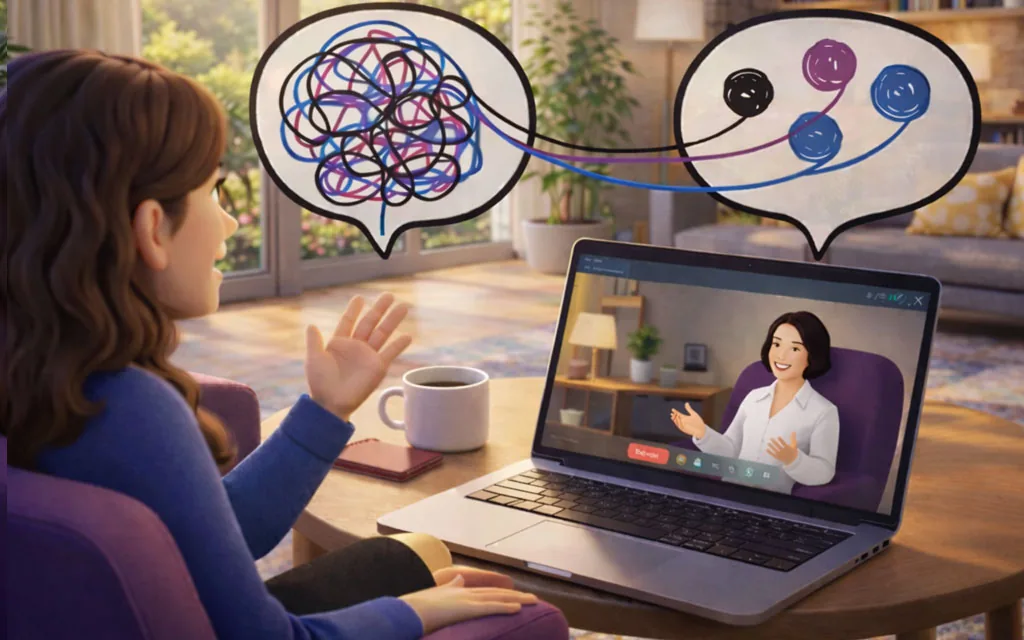
Waking up to a world that looks a little less clear can be frightening. Glaucoma is sometimes called the silent thief of sight, because it can take vision slowly and without warning. But there is a second kind of silence around it, and that is the quiet worry many people carry after a diagnosis. The fear of what comes next. The grief for the way things used to look. World Glaucoma Week is a good time to name both.
Whether you have just noticed a blur at the edge of your sight, or you are sitting beside someone you love who was told the news today, the stress is real. Vision changes do not only touch your eyes. They reach into your confidence, your sense of independence, and your peace of mind.
Your eye doctor looks after your sight. This guide is about the part that is easy to overlook: how you are coping, and where to turn when the worry gets loud. Saalvio’s clinical team supports Ontario residents with the anxiety, low mood, and stress that often follow a chronic eye diagnosis. We are not eye care. We are the people who help you carry what the diagnosis brings.
When Is World Glaucoma Week 2026?
World Glaucoma Week 2026 runs from March 8 to March 14, 2026. It is a global awareness campaign led by the World Glaucoma Association. The week reminds people to book a routine eye exam, since glaucoma often has no early symptoms, and early detection is the best way to protect the sight you still have.
What Is World Glaucoma Week?
World Glaucoma Week is a yearly global campaign that raises awareness of glaucoma, a group of eye conditions that damage the optic nerve (the cable that carries what you see from your eye to your brain) and can cause permanent vision loss. It encourages regular eye exams for early detection and offers support to people already living with the condition.
The campaign is run worldwide by the World Glaucoma Association. Its history is simple and steady: each year, eye clinics, charities, and patient groups use the same week in March to push one message out into the world, that a quick eye exam can catch glaucoma before it takes too much. World Glaucoma Awareness Week, as it is also known, exists because the disease is so quiet. Awareness is often the only early warning a person gets.
What Is the World Glaucoma Week 2026 Theme?
The World Glaucoma Week 2026 theme is announced each year by the World Glaucoma Association. Themes in past years have centred on early detection and on uniting communities against preventable blindness. For the confirmed 2026 theme, check the World Glaucoma Association before your local events, since the World Glaucoma Week theme is set by the campaign organizers and not by individual clinics.
Understanding Glaucoma and Vision Changes
Glaucoma is not one single disease. It is a group of eye conditions that damage the optic nerve, usually because of high pressure inside the eye. The hard part is that you often feel nothing at first. By the time you notice blurred vision or a narrowing of what you can see, some damage may already be done.
Common signs of progression include:
- Loss of peripheral vision (your side vision): it can feel like you are looking through a tunnel.
- Blurred vision: trouble focusing on faces or on text.
- Haloes around lights: rainbow rings around streetlights at night.
- Trouble adjusting: struggling to see when you move from a bright room into a dark one.
Because vision lost to glaucoma cannot be brought back, early detection during World Glaucoma Week 2026 is one of the best things you can do. A routine eye exam is quick, and it can catch what your own eyes cannot.
Impact of Glaucoma on Mental Health
It is completely normal to feel a wave of fear when your vision changes. CNIB reports that more than 250,000 Canadians have chronic open-angle glaucoma, the most common form of the disease. Many of them are also quietly carrying the emotional weight of it.
Living with vision loss is linked to higher rates of anxiety, low mood, and feeling cut off from others, a pattern the Canadian Mental Health Association describes for many long-term physical health conditions. Many people facing a serious diagnosis feel this same weight, and our guide on the mental health side of a serious illness speaks to it directly. The fear of what is coming can show up as:
- Anticipatory anxiety (worrying about what might happen next): turning the words “what if I go blind” over and over.
- Pulling away from people: skipping dinners or movies because you feel embarrassed about bumping into things or struggling in low light.
- Loss of independence: feeling you can no longer drive or move through your own neighbourhood safely.
- Caregiver stress: the strain on the family members who are learning to adapt right alongside you.
None of these reactions mean you are weak or overreacting. They mean you are human, and that something important to you is at risk.
Recognizing Anxiety and Stress Related to Vision Loss
Sometimes we do not connect a heavy mood to our eye health at all. If you live in Ontario and you feel overwhelmed, it can help to notice the signs that the stress has grown bigger than the eye appointment in front of you. Much of this is shared across sight-related conditions, and our guide on vision loss and mental health looks at the same emotions from another angle:
- Constant worry about the future that is hard to switch off.
- Low mood or a sense of depression and grief for what your vision used to be.
- Trouble sleeping, or waking with a tight chest.
- Avoiding things you used to enjoy because of how you might see, or be seen.
- Feeling irritable, tearful, or strangely numb.
If you notice several of these for more than a couple of weeks, it is worth talking to someone. Naming the worry out loud is often the first step that makes daily life feel manageable again.
World Glaucoma Week 2026 Activities in Ontario
Ontario is a strong hub for eye health research and patient support. During World Glaucoma Week Ontario, you can usually find several ways to take part:
- Eye exams and screenings: many clinics across Ontario cities such as Toronto, Ottawa, and London highlight eye-exam access during the week. Ask your local optometrist what they are offering.
- Educational sessions: eye health charities and research groups often run public talks that explain new treatments in plain language.
- Support groups: sitting with other people who truly get it can change how the whole journey feels.
- Mental-health support: the medical side and the emotional side belong together. Glaucoma support in Ontario can include therapy for the worry and grief, not only treatment for the eye. The same is true for other chronic conditions, as our guide on the mental health of living with a feeding tube shows.
World Glaucoma Week activities change a little each year, so check with your local clinic or community centre for exact dates and locations.
How Saalvio Supports Mental Health During Eye Health Challenges
When you are managing a chronic condition, the last thing you need is a hard road to get help. In Ontario, Saalvio offers a private, secure way to reach therapy from home. There is no traffic to fight and no parking to find. You need a phone or a laptop, and a quiet corner. If you have never done this before, it can help to read what to expect in a first session so the unknown feels smaller.
Therapy through Saalvio in Ontario is delivered by registered psychotherapists and registered social workers on our clinical team. Across North America, the Saalvio app offers self-help tools, guided practices, and structured self-assessments you can use any time. Therapy with a Saalvio clinician is offered in Ontario today. If you are weighing your options, our guide on how to find a therapist can help you take the first step.
How therapy can help with the stress of vision loss
- Support for anxiety: working with the fear of the future and building practical ways to get through a hard vision day.
- Support for stress: eye drops, appointments, and lifestyle changes add up. Therapy gives you a place to set some of it down.
- Support for low mood and grief: room to mourn the part of your sight that is changing, without being told to look on the bright side.
Evidence-based approaches our clinicians use
- CBT (cognitive behavioural therapy, learning to notice and reshape unhelpful thoughts): gently moving a thought like “I will be helpless” toward “I am learning new ways to stay independent.”
- Mindfulness and breathing skills: these will not change the pressure in your eye, and we would never claim they treat glaucoma. What they can do is calm a racing body so the fear feels less in charge.
- ACT (acceptance and commitment therapy, building a full life alongside hard feelings): helping you keep doing what matters to you, even while the condition is part of the picture.
Therapy will not promise the worry away. What it offers is steadier footing, real coping tools, and a person in your corner while you adjust.
Tips for Daily Coping with Vision Changes
You can still shape your daily life as your vision changes. It often takes small adjustments rather than big ones.
- Light your space well: raise the lighting at home and use task lamps for reading and cooking.
- Keep things in fixed spots: keys, phone, and medications in the same place every day means less searching and less frustration.
- Stay connected: do not let your vision quietly shrink your social world. Voice-to-text and audio messages keep you in touch with the people who matter.
- Care for your mind too: an audiobook, a slow walk, a breathing practice, or a therapy session. Your mind needs rest as much as your eyes do.
Frequently Asked Questions
When is World Glaucoma Week 2026?
World Glaucoma Week 2026 runs from March 8 to March 14, 2026. It is a global awareness campaign led by the World Glaucoma Association. The week encourages people to book a routine eye exam, since glaucoma often has no early symptoms and early detection is the best way to protect sight.
What is World Glaucoma Awareness Week?
World Glaucoma Awareness Week, also called World Glaucoma Week, is a yearly global campaign that teaches the public about glaucoma and the value of regular eye exams. Because glaucoma usually has no early symptoms, awareness is often the only way people learn to get checked before vision is lost.
What is the World Glaucoma Week 2026 theme?
The World Glaucoma Week 2026 theme is set each year by the World Glaucoma Association, the global organizer of the campaign. Themes in recent years have focused on early detection and on uniting communities against preventable blindness. Check the World Glaucoma Association website for the confirmed 2026 theme.
Can vision changes cause mental health issues?
Yes. Living with vision loss is linked to higher rates of anxiety, low mood, and social isolation. The fear of losing independence, called anticipatory anxiety, or worrying about what might happen next, is common. Naming the worry and getting support can make daily life with a vision condition easier to manage.
How do I cope with the anxiety of losing my vision?
Start by naming the fear instead of fighting it alone. Keep daily routines simple, stay connected to people, and lean on practical coping skills. If the anxiety about going blind stays loud for weeks, talk to a therapist who can help you build steadier ways to cope with the uncertainty.
How can Saalvio help with the stress of vision loss in Ontario?
In Ontario, you can reach registered psychotherapists and registered social workers on Saalvio’s clinical team by secure video, from home. You can message a registered psychotherapist before you book to ask about fit and approach, at no cost. Your eye doctor cares for your sight; therapy cares for how you are coping.
Whole-Person Support During World Glaucoma Week 2026
As World Glaucoma Week comes around, it helps to remember that you are more than your eyesight. Your worth is not measured by how clearly you can see the world. It is measured by how you keep showing up in it. Ontario has strong medical resources for your eyes. Do not forget the person behind them.
Pairing your medical care with mental-health support can give you a steadier path forward. Before you commit to anything, you can message a registered psychotherapist before you book for free and ask whatever you need to ask. And every Canadian’s first session with a Saalvio clinician is free, so reaching out is not a gamble on whether the fit will be right.
You do not have to walk this part in the dark.
If you need help right now
Saalvio is not a crisis service. If you are in immediate danger, please call 911. If you are in mental health crisis, please call 988 (the Suicide Crisis Helpline of Canada) or visit your nearest emergency department.
Clinically reviewed by Usman Khan, RP (CRPO #13456)
Clinically reviewed
Usman Khan, Registered Psychotherapist
Usman Khan is the Clinical Director of Saalvio and a Registered Psychotherapist with the College of Registered Psychotherapists of Ontario (CRPO #13456). He holds an MD, an MPH from Western University, and an MA in Counselling Psychology from Yorkville University. He reviews all clinical content on saalvio.com before publish.
See also across Saalvio
Topics mentioned in this post that have their own page on the site.
Talk to our clinical team
Saalvio offers a free first session with any therapist on the team. There is no card on file. If we are not the right fit, we will say so and help you find one.