
Meditation for Mental Health: Benefits and How to Start
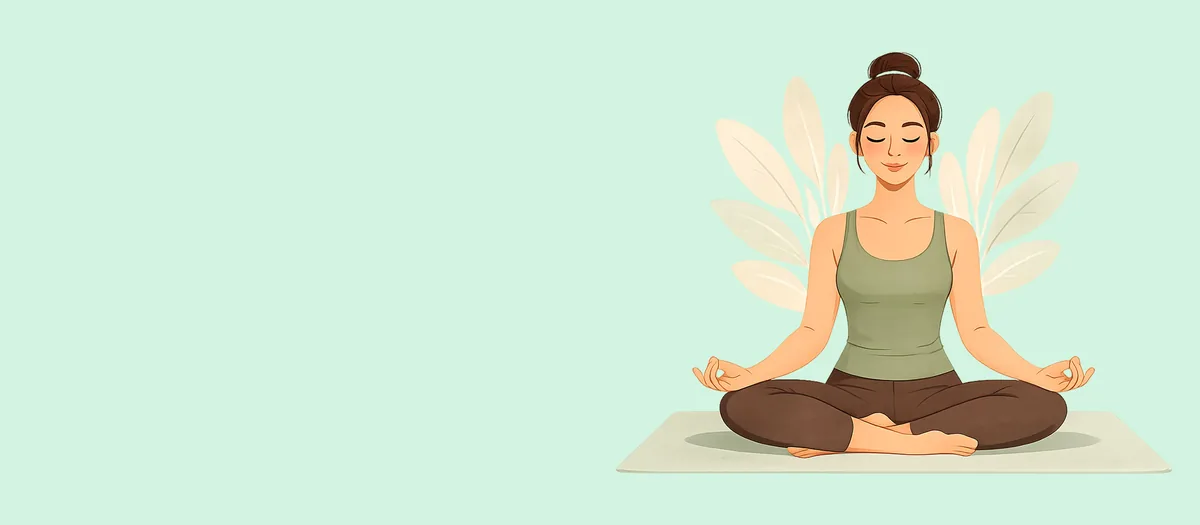
If your mind never quite switches off, you are not the only one. There is the email you did not answer, the bill on the counter, the conversation you keep replaying at 2 a.m. when the house is finally quiet. For a lot of us, stress has stopped feeling like a problem and started feeling like the weather. You just walk through it.
There is a simple practice that can help with some of that weight, and it does not ask you to believe in anything or buy anything. Meditation for mental health is not about sitting on a mountaintop or emptying your mind. It is about learning to pause, breathe, and gently bring your attention back when it drifts. The research behind it is steady, and the starting point is small enough to fit into a hard day. This guide walks through what meditation does for your brain and your emotions, and how to begin even if you have never tried it once.
What Is Mindfulness Meditation?
Mindfulness meditation is a mental practice where you pay gentle, non-judgmental attention to the present moment, usually your breath, a sound, or the feeling of your body in a chair. When your mind wanders, and it will, you notice it and come back. The Centre for Addiction and Mental Health (CAMH) recognizes mindfulness as a useful tool for supporting emotional wellbeing, and it is the most widely studied form of meditation.
There are many styles, but mindfulness is the foundation of most evidence-based mental health programs used across Canada today. You intentionally rest your attention on one thing. The mind drifts. You bring it back. That returning is the whole practice. Mindfulness for mental health is built from that one small motion, repeated.
The Real Benefits of Meditation for Mental Health
The benefits of meditation are not just stories people tell. Decades of research show that a regular practice can create real, measurable changes in how we feel and function day to day. Here is what mental health meditation actually does.
1. It Lowers Stress in the Body, Not Just the Mind
When you are under pressure, your body releases cortisol, the main stress hormone. Staying flooded with it for months at a time wears the body down. A 2014 meta-analysis in JAMA Internal Medicine (Goyal and colleagues, Johns Hopkins University) found that mindfulness meditation programs produced small to moderate reductions in anxiety, depression, and stress, with benefits showing up over roughly eight weeks of practice. This is stress management meditation working at the level of the body, not just a passing feeling. As a daily habit, meditation for stress relief gives your nervous system a regular chance to step out of high alert.
2. It Eases Anxiety
If anxiety is something you live with, meditation for anxiety may offer some real relief. Mindfulness teaches you to notice anxious thoughts without fusing with them, without treating each one as a fact you have to act on. Over time, you stop reading every worried thought as a warning, and start seeing it as just a thought, one that arrives and passes. That small distance is where the relief lives.
3. It Supports People Living with Low Mood
Mindfulness-based cognitive therapy (MBCT), a structured program that pairs meditation with cognitive behavioural therapy (CBT), is recommended in clinical guidelines for helping prevent depression from coming back after it has lifted. It teaches people to notice the early pull of familiar negative thought patterns and respond to them with more room to choose. If you are carrying depression right now, meditation for depression is best understood as one supportive tool among several, not a stand-alone fix. You can read more about mindfulness-based cognitive therapy and how it fits alongside therapy.
4. It Changes the Brain
One of the most studied areas of meditation research is the meditation benefits for brain health. In a 2011 study from Massachusetts General Hospital and Harvard Medical School, Holzel and colleagues found measurable increases in gray matter in brain regions tied to memory, learning, and emotion after just eight weeks of mindfulness practice. The brain, it turns out, keeps responding to how we use it, at any age.
5. It Improves Sleep
A racing mind at bedtime is one of the most common reasons people cannot fall asleep, and meditation helps slow that chatter down. Meditation for sleep and anxiety is a heavily searched topic for good reason, because the two so often feed each other. The Sleep Foundation reports that mindfulness meditation can improve sleep quality and ease insomnia symptoms by calming the nervous system before bed.
6. It Helps with Overthinking
Overthinking is its own kind of exhaustion. Meditation for overthinking works by creating a small gap between a thought and your reaction to it. Instead of following a worry down the stairs into the basement, you learn to notice it, name it, and let it keep moving. It is a skill, not a personality trait, which means it is something you can genuinely build with practice.
7. It Builds Emotional Balance
Regular practice supports meditation and emotional balance by slowly strengthening your ability to steady yourself. You become a little less reactive and a little more able to respond on purpose. That shows up where it matters most: in how you speak to your kids after a long day, how you sit with a hard conversation at work, how you carry the ordinary pressures of life without snapping under them.
How Meditation Fits Into Mental Health Care in Ontario
Mental health challenges are widespread in this country. According to CAMH, one in five Canadians experiences a mental illness or addiction problem in any given year. In Ontario, the demand for mental health support regularly outpaces what is available, and the wait for a therapist can stretch for months.
That is exactly why accessible, evidence-based self-care tools like meditation matter. They are not a replacement for professional care, and this guide will say that more than once, because it is true. But they are a real daily practice you can use on your own, alongside therapy in Ontario, or while you wait for an appointment to come through. If you are looking for professional support to go with your practice, you can message a therapist before you book and ask whatever you need to ask first, at no cost and with no commitment.
Types of Meditation Worth Knowing About
There is no single right way to meditate. Here are some of the most effective styles for mental health, so you can find one that fits how your mind actually works.
Mindfulness Meditation
The cornerstone of mindfulness for mental health. You simply observe your breath, your thoughts, or the sensations in your body, without judging any of it. It is the most widely researched form and a steady place to begin.
Guided Meditation for Anxiety
If silence feels overwhelming, guided meditation for anxiety gives you a voice to follow. A teacher or an audio recording leads you through the session, so you are never sitting alone with a blank room and a loud mind. Apps and recordings make this very accessible, which is part of why it works well for beginners.
Breathing Meditation Techniques
Focused breathing meditation techniques like box breathing, in for 4, hold for 4, out for 4, hold for 4, are simple tools you can use anywhere, in a parked car or a bathroom at work. They activate the parasympathetic nervous system, the body’s rest-and-digest mode, which is the natural counter to the stress response.
Body Scan Meditation
Body scan meditation is a relaxation practice where you slowly move your attention through each part of your body, from your feet to the top of your head, noticing what is there without trying to change it. It is one of the more effective relaxation meditation techniques for releasing the physical tension that stress and anxiety leave behind in the shoulders, the jaw, the chest. It also sits close to the wider family of mind-body therapy practices that work with the body to settle the mind.
Loving-Kindness Meditation
Loving-kindness meditation is rooted in self-compassion and is a quiet path toward meditation for inner peace. You silently repeat phrases like “may I be well, may I be at ease,” then extend those same wishes outward to others. In a 2008 study published in the Journal of Personality and Social Psychology, Fredrickson and colleagues found that people who practised loving-kindness meditation reported a steady rise in daily positive emotions over seven weeks. For many people it is a gentle entry into meditation for positive thinking, without forcing any feeling that is not there.
Relaxation Meditation Techniques
Progressive muscle relaxation, where you gently tense and then release each muscle group in turn, paired with slow breathing, is one of the most approachable relaxation meditation techniques for stress. It joins physical and mental release, and it is easy to learn on your own at home.
How to Meditate for Beginners
Start small. Sit comfortably, set a timer for five minutes, and rest your attention on the feeling of your breath moving in and out. When your mind wanders, gently bring it back, with no frustration. That returning is the practice, not a sign you are failing at it. A guided audio can make the first sessions easier. Consistency matters more than length.
These beginner meditation techniques need no equipment, no experience, and no special room:
- Start small. Even five minutes a day creates real benefit. You do not need to begin with long sessions.
- Pick a consistent time. Morning often works because the mind is fresher, but the right time is any time you will actually do it.
- Find a comfortable position. A chair, the floor, or lying down all work. The goal is being both alert and at ease, not holding a perfect posture.
- Focus on your breath. Breathe naturally and notice the air moving in and out. When attention drifts, bring it back, again and again. That is the whole thing.
- Use a guide if it helps. Beginner-friendly guided recordings can carry you through those first uncertain minutes.
The Saalvio app includes CBT-informed mindfulness exercises and daily self-care tools, available across Canada and North America on the Apple App Store and Google Play. It is free to download, so you can start building a practice tonight.
How Long Should You Meditate Each Day?
Even five minutes a day has measurable benefit. As it gets more comfortable, working up to 10 to 20 minutes offers stronger results. The key is consistency, not duration. Many people notice they feel a little calmer and a little less reactive within two to three weeks of daily practice.
The daily meditation benefits compound quietly over time. A few small ways to make the habit stick:
- Attach it to something you already do, like your morning coffee or your evening wind-down.
- Keep a simple note of how you felt before and after, even one word each time.
- Be kind to yourself when you miss a day. Progress in meditation is never a straight line.
- Try different styles until one feels right. Variety keeps the practice from going stale.
Mindfulness Exercises for Anxiety You Can Try Right Now
If you are anxious in this moment, these mindfulness exercises for anxiety can help bring you back to the present. You do not have to do them perfectly.
The 5-4-3-2-1 Grounding Exercise
Name 5 things you can see, 4 you can touch, 3 you can hear, 2 you can smell, and 1 you can taste. Moving through your senses one by one pulls your attention out of the anxious story in your head and back into the room you are actually in.
One Minute of Focused Breathing
Set a timer for 60 seconds. Breathe in slowly for 4 counts, out for 6. The longer exhale is what signals your calming nervous system to settle. That is all. One minute is enough to interrupt the spiral.
The STOP Practice
A small reset you can use anywhere:
- S: Stop what you are doing.
- T: Take a breath.
- O: Observe what is happening in your mind and body.
- P: Proceed with a little more awareness.
This is a core mindfulness exercise used in many CBT-based programs across Canada.
Self-Care Meditation Is Not Selfish
In a lot of homes, self-care meditation still sounds like a luxury, something for people with empty afternoons. It is neither indulgent nor out of reach. It is one of the lowest-cost, most evidence-supported things you can do for your own mind.
When you tend to your mind, you show up steadier for the people who depend on you: the kids, the parent you are caring for, the team at work. This is true in any household, and it is true in the high-pressure pace of life in cities like Toronto and Ottawa, where many people quietly carry far more than they let on. Mental wellness practices like meditation, and gentler ones such as art therapy mindfulness activities for inner calm, are not a reward you earn after everything else is done. They are part of the foundation that holds the rest up. And building that foundation does not take perfection, just a small, repeated effort.
Meditation for Positive Thinking and Emotional Wellbeing
One of the quieter gifts of a steady practice is how meditation for positive thinking works over time. It does not mean forcing yourself to feel cheerful. It means training your attention to spend a little less time stuck in rumination and a little more time noticing what is actually okay in this moment. Pairing it with positive affirmations for mental health can gently reinforce that shift. Over time, that builds resilience, the capacity to come back from hard things.
This connects closely to meditation for emotional wellbeing. When you are more in touch with what you are feeling, and less swept away by it, you tend to make clearer decisions and meet other people with more patience. Not because you have fixed yourself, but because you have a little more room to choose how you respond.
Meditation to Calm the Mind: What to Expect
A common worry for beginners is the belief that they are doing meditation to calm the mind wrong, because the thoughts keep coming. Here is the honest truth: that is completely normal. The mind thinks. That is its job.
The goal was never a blank mind. The goal is noticing when you have drifted and returning to your breath. Every time you do that, you are strengthening your attention, the same way a single lift strengthens a muscle. Most people find that within two to three weeks of daily practice, they feel a touch calmer overall, a little less reactive, and a bit more able to sit with a difficult moment without being carried off by it.
Frequently Asked Questions
How long should I meditate each day?
Even five minutes a day is a strong starting point and has measurable benefit. As you get more comfortable, working up to 10 to 20 minutes offers stronger results. The key is consistency, not duration. A short practice you actually keep beats a long one you abandon after a week.
Do I need an app or special equipment?
No equipment is needed. Your breath is always with you, which makes it the one tool you can never forget at home. That said, guided recordings can help beginners a great deal. The Saalvio mobile app includes mindfulness and CBT-based exercises built for mental health support, available free on the Apple App Store and Google Play across Canada and North America.
Can meditation replace therapy?
No. Meditation is a strong self-care tool, but it is not a replacement for professional care. If you are living with depression, an anxiety disorder, trauma, or another mental health condition, working with a therapist matters. Meditation works best alongside therapy, not instead of it. Saalvio offers virtual therapy in Ontario, delivered by registered psychotherapists and registered social workers.
Is meditation safe for everyone?
For most people, yes. That said, some people with a history of trauma find certain meditation styles bring up difficult feelings. If meditation stirs up distress for you, it is best to pause and speak with a mental health professional before continuing. Going gently, with support, is not a failure. It is good care.
Does meditation really change your brain?
Yes, in measurable ways. In a 2011 study from Massachusetts General Hospital and Harvard Medical School, Holzel and colleagues found increases in gray matter in brain regions tied to memory, learning, and emotion after eight weeks of mindfulness practice. The brain keeps adapting to how we use it, which is part of why a regular practice adds up.
What is the best meditation for anxiety specifically?
Breath-focused mindfulness and guided meditation for anxiety are both strong starting points. Practical techniques like box breathing and body scan meditation have solid evidence behind them. Anxiety Canada is an excellent Canadian resource for free, clinically informed guidance, and a good place to find structured exercises for anxiety.
A Small First Step
You have already done something by reading this far. Now it is just a matter of one small action, one breath at a time. You do not have to decide everything tonight, and you do not have to do it perfectly.
The Saalvio app is built for exactly this: CBT-informed tools, mindfulness exercises, and guided support to help you build a daily practice that fits your real life, not an imagined one. It is free to download across Canada and North America. And if you are in Ontario and ready for a human conversation, every Canadian’s first session with a Saalvio clinician is free, so deciding to try therapy is never a gamble on whether the fit will be right. Before you book anything, you can message a therapist before you book with whatever you need to ask. Small, consistent steps are how real change is built. You deserve support that meets you where you actually are.
If you need help right now
Saalvio is not a crisis service. If you are in immediate danger, please call 911. If you are in mental health crisis, please call 988 (the Suicide Crisis Helpline of Canada) or visit your nearest emergency department.
Clinically reviewed by Usman Khan, RP (CRPO #13456)
Clinically reviewed
Usman Khan, Registered Psychotherapist
Usman Khan is the Clinical Director of Saalvio and a Registered Psychotherapist with the College of Registered Psychotherapists of Ontario (CRPO #13456). He holds an MD, an MPH from Western University, and an MA in Counselling Psychology from Yorkville University. He reviews all clinical content on saalvio.com before publish.
See also across Saalvio
Topics mentioned in this post that have their own page on the site.
Talk to our clinical team
Saalvio offers a free first session with any therapist on the team. There is no card on file. If we are not the right fit, we will say so and help you find one.