
How to Reduce Stress: A Complete Guide for Ontario Residents
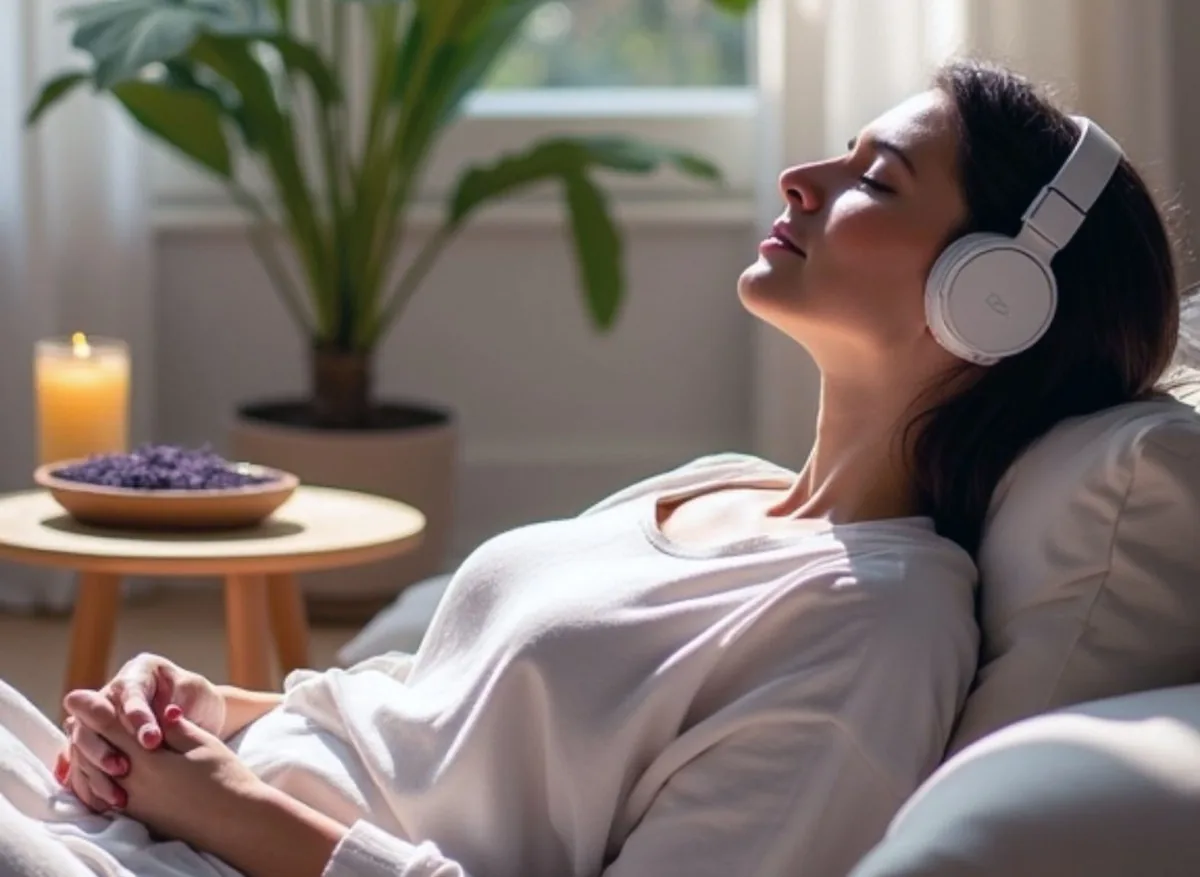
Stress is not always the loud kind. Sometimes it is the jaw you did not notice you were clenching until the drive home. The third coffee you reached for because the day asked more than you had. The way you lie down exhausted and your mind starts its shift just as you start yours off. If you have been wondering how to reduce stress, you are not failing at calm. You are carrying something, and you are still looking for a way to set part of it down.
You do not have to just tough it out, and you do not have to fix everything tonight. Stress can be eased with a mix of small daily habits, a few simple in-the-moment techniques, and, when you need it, real support. This guide walks through how to reduce stress quickly when you need relief right now, and how to lower it over the long run, in plain steps you can actually keep. For a companion piece focused on the day-to-day, our guide on how to manage stress covers more of these habits.
How Do I Reduce Stress?
Start with small daily habits. Move your body for about twenty minutes, keep regular sleep and wake times, eat and hydrate steadily, and take short breaks instead of pushing through. In the moment, slow your out-breath and step outside for fresh air. If stress stays high for weeks, talking to a therapist helps you reach the root.
Many of us ask how do i reduce stress and expect a single answer. There is not one. How reduce stress usually starts with pausing long enough to notice your own triggers, then changing one small thing at a time. The goal is not a stress-free life. The goal is to keep stress from quietly running yours.
Understanding Stress and Its Effects
Stress is your body’s natural alarm system (the fight-or-flight response, the surge that readies you to act in the face of a challenge). A short burst of it is normal and even useful. The problem is staying in high-alert mode for weeks at a time, because the body was never built to hold the alarm on that long.
When stress runs too long, people often notice:
- A constant sense of anxiety, or feeling snappy and on edge.
- Insomnia (trouble falling or staying asleep), or waking up feeling like you never rested.
- Physical signals like nagging headaches, chest tightness, or a racing heart.
- Spinning your wheels at work or school, busy all day with little to show for it.
The Canadian Mental Health Association explains that over time stress can take a real toll on physical health, affecting sleep, raising the risk of headaches and illness, and making it harder to concentrate and make decisions. Naming what stress is doing to you is not weakness. It is the first foothold.
What Causes Stress?
Stress is the body’s alarm response to a real or perceived demand. Common triggers are work pressure and long hours, school and exams, money worries, caregiving, big life changes, and conflict at home. The same event can stress one person and barely touch another, which is why noticing your own triggers matters more than comparing yourself to anyone else. If you want to dig into where your own pressure comes from, our post on what causes stress looks at the triggers in more depth.
You are far from alone in this. In 2015, Statistics Canada found that 6.5 million Canadians, about 21 percent, felt most of their days were quite a bit or extremely stressful. If your days feel heavy, that feeling is shared by millions of people who look, on the outside, like they are managing fine.
Daily Habits to Reduce Stress Naturally
It is usually the small, quiet habits that move the needle, not one big overhaul. Here are reliable ways to reduce stress that fit into a real schedule, and that work to lower your stress levels over time rather than just in the moment.
Exercise and Physical Activity
People often ask how does exercise reduce stress. It works in two ways. Movement releases endorphins (the body’s natural mood lifters), and it burns off the restless fight-or-flight energy that stress builds up with nowhere to go. So how does working out reduce stress on a harder level? It eases the tension held in your muscles and improves your sleep, which makes the next stressful day easier to meet. You do not need a gym. A twenty-minute walk through your neighbourhood counts, and on a low day, a little is a lot.
Mindfulness and Meditation
Mindfulness (paying gentle attention to the present moment without judging it) is one of the steadiest stress reducing techniques there is. Even ten minutes a day spent following your breath can quiet a racing mind. The Saalvio mobile app, available on the Apple App Store and Google Play, offers guided meditation and cognitive exercises you can use on a commute or a lunch break, so the practice is there when you need it and not one more thing to figure out.
A Structured Routine
Your brain settles when the day is predictable, because predictability lowers the chaos signal. Keep your wake and sleep times steady, and build in short, guilt-free breaks during work or study. This kind of structure helps you reduce stress quickly because your mind is not constantly bracing for the next surprise.
Healthy Diet and Hydration
What you eat shapes how you feel. Skipping the third coffee and the sugary snack avoids the crash that can read as anxiety. Whole grains, leafy greens, and steady water through the day all help keep your stress levels lower, since even mild dehydration can make you feel more irritable and tired than you actually are.
What Are the Best Stress Reducing Techniques?
A steady mix works best: regular movement, daily mindfulness, a predictable routine, deep breathing, and time in nature. Journaling helps you offload worry, and progressive muscle relaxation releases physical tension. For lasting change, therapy adds techniques to reduce stress built around your own life rather than a one-size-fits-all list.
Here are a few more human ways to lower stress every day:
- Deep breathing for stress: a slow out-breath tells your nervous system to stand down. Try four seconds in and six seconds out for a few rounds.
- Progressive muscle relaxation: tensing and then releasing each muscle group, which helps let go of the weight people carry in their shoulders and jaw.
- Journaling: a private place to set worries down so they stop circling. What you write in the Saalvio app journal stays private to you.
- Time in nature: even a few minutes in a green space helps the mind reset, and it eases the general exhaustion that comes with a full life.
How Can I Reduce Stress Quickly?
For fast relief, interrupt the stress response in your body. Stand up and stretch toward the ceiling, drink a full glass of cold water, step outside for two minutes of fresh air, or do a slow breathing round, four seconds in and six seconds out. These resets buy you a calmer minute to decide what is next.
If you need to reduce stress quickly right now, try one of these:
- Stand up, reach for the ceiling, and stretch your whole body.
- Drink a full glass of cold water, slowly.
- Step outside for two minutes of fresh air.
- Do a five-minute mindfulness check-in: notice five things you can see, four you can hear, three you can touch.
These small resets will not solve the cause, but they give your body a moment to come down off high alert, which is often all you need to take the next step.
How Do I Reduce Stress at Work?
Prioritize your tasks, set boundaries you can actually keep, and take short breaks to reset. Avoid multitasking, which tires the brain faster than focused work. If work stress has worn you down for weeks, our clinical team offers online therapy for stress in Ontario that teaches practical tools for high-pressure jobs.
Workplace stress is not a personal flaw, and it is not rare. Statistics Canada has tracked a measurable rise in mental health-related disability among employed Canadians in recent years, a reminder that the pressure many people feel at work is real and widely shared. When prolonged work stress tips into something heavier, it can overlap with burnout, and that is a good moment to reach for support rather than push harder. You can read more about the signs and treatment on our page for stress and burnout support.
Study and Parenting Stress
Parents often ask how to reduce study stress in kids. The most reliable help is steady routines and regular breaks rather than long study marathons, plus breaking big projects into small, doable steps, and praising effort instead of only results. A calm home and a predictable schedule do more than any single study trick.
A note for families: Saalvio’s virtual therapy is for adults in Ontario. If a teen needs to talk to someone now, Kids Help Phone is free and confidential at 1-800-668-6868, or you can text CONNECT to 686868. For a younger child, your family doctor or your child’s school can connect you with clinicians who specialize in children and youth.
How to Reduce Stress and Anxiety Together
Stress and anxiety often travel together, and the same tools help both. Deep breathing settles the nervous system, mindfulness slows racing thoughts, and journaling offloads worry. Focusing only on what you can control lowers both at once. When stress has shaded into ongoing anxiety, a structured therapy such as CBT can address both in the same work, which is often more effective than treating them one at a time.
Does Stress Affect Sleep, and How Do I Reduce It?
Yes. Stress keeps the body’s alarm on, which makes it hard to fall or stay asleep, and poor sleep then raises stress the next day. A regular bedtime, a wind-down routine, less caffeine later in the day, and a few minutes outdoors all help quiet the loop.
If you are searching for how to reduce stress insomnia, start there, with the loop rather than the symptom. Screens right before bed keep the mind alert, so set the phone down earlier than feels natural. Keep the room cool and dark. And go easy on yourself on the nights it does not work, because pressure to sleep is its own kind of stress. If your thoughts refuse to switch off once the lights are out, our post on why your mind won’t stop overthinking at night looks at that pattern and what helps.
Professional Therapy for Stress Management in Ontario
Sometimes self-help tools only carry you so far, and that is completely okay. Reaching out for professional help is a sign of strength, not failure. Across the province, stress management Ontario options have never been broader, and you do not need a referral to start.
Through Saalvio, stress therapy Ontario residents can access is delivered by our clinical team of registered psychotherapists and registered social workers, the people behind psychotherapist stress management Ontario care that is built around your actual life. They offer online therapy in Ontario and, for those nearby, therapy in Vaughan, so you can get quality support without leaving home. The Saalvio mobile app complements those sessions with mood tracking and cognitive exercises that help you keep moving between appointments.
Therapy with our clinicians is offered in Ontario today. The Saalvio self-help app, with its guided practices and self-assessments, is available across Canada and North America.
If you are not ready to book, you can message a therapist before you book and ask whatever you need to ask: whether they have worked with someone like you, whether their approach fits, whether they will understand the life you come from. There is no cost and no commitment, and messaging is not therapy by text; it is simply a conversation before you decide. Every Canadian’s first session with a Saalvio clinician is free, so trying therapy is not a gamble on whether the fit is right. Saalvio does not bill insurers directly, but sessions with registered psychotherapists and registered social workers are typically reimbursable under most extended health benefit plans, and you receive a detailed receipt to submit to your insurer.
Not sure where to start? Our guide on how to find a therapist walks through it gently.
A Note Before You Go
Learning how to reduce stress is not about getting it perfect. It is about small, steady choices and a little patience with yourself on the days the choices are hard to make. The Canadian Mental Health Association points to the same quiet things that show up across the research: stay connected to people, keep moving, and reach for help early rather than waiting until you are at the end of your rope. You can reach for it tired and unsure. That still counts.
Frequently Asked Questions
How do I reduce stress instantly?
The fastest reset is to interrupt the stress response: slow your out-breath, stand and stretch, or step outside for two minutes. A glass of cold water helps too. These do not solve the cause, but they give you a calmer moment so you can choose your next step instead of reacting from high alert.
What are the best stress management techniques?
Regular exercise, daily mindfulness, and a predictable routine are the steady core. Deep breathing and time in nature help in the moment. For lasting results, therapy helps you address the root causes and build a toolkit that fits your own life rather than a generic list that may not match what you actually carry.
Can online therapy help reduce stress in Ontario?
Yes. Online therapy for stress in Ontario offers the same quality of care as in-person visits, from the privacy of your home. Our clinical team of registered psychotherapists and registered social workers can teach stress-reducing tools that last. Your first session is free, and you can ask questions by message before you book.
How do I reduce stress at work?
Prioritize, set boundaries you can hold, and take short breaks to clear your head. Skip multitasking, which tires the brain. If work stress has been heavy for weeks, online therapy for stress across Ontario can teach practical tools for high-pressure days, so the pressure stops following you home every night.
How can I help my child with study stress?
Encourage steady routines and regular breaks rather than long study marathons, and help break big projects into small steps. Praise effort, not just results. If a teen needs to talk to someone now, Kids Help Phone is free and confidential at 1-800-668-6868, or text CONNECT to 686868.
If you ever feel that stress has become more than you can carry, please reach out using the crisis resources below. You do not have to wait until it is a crisis to ask for help.
Clinically reviewed
Usman Khan, Registered Psychotherapist
Usman Khan is the Clinical Director of Saalvio and a Registered Psychotherapist with the College of Registered Psychotherapists of Ontario (CRPO #13456). He holds an MD, an MPH from Western University, and an MA in Counselling Psychology from Yorkville University. He reviews all clinical content on saalvio.com before publish.
See also across Saalvio
Topics mentioned in this post that have their own page on the site.
Talk to our clinical team
Saalvio offers a free 30-minute consultation with any therapist on the team. There is no card on file. If we are not the right fit, we will say so and help you find one.