
How to Deal With Grief: A Plain Guide to Healing After Loss
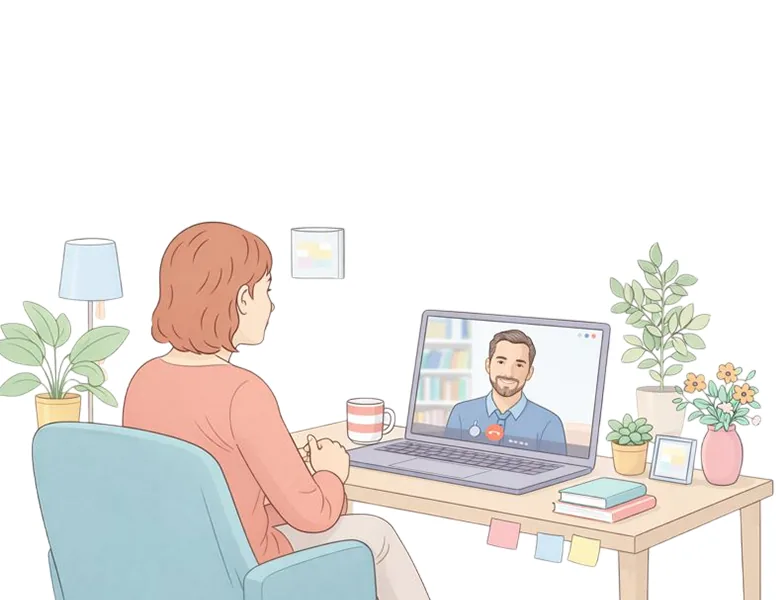
Grief is love with nowhere to go.
It is the second cup of coffee you poured out of habit, for someone who is not coming to drink it. It is reaching for your phone to tell them something, and remembering halfway through the motion. It is a song on the radio that empties you in a grocery store aisle, on an ordinary Tuesday, with strangers all around. If you have been searching for how to deal with grief, you already know that no one warned you it would feel like this. Heavy and quiet and unfair, all at once.
You are not doing it wrong. There is no wrong way. Grief is the natural human response to losing someone or something we love, and it touches nearly everyone at some point in a life. This guide will not rush you. It will not tell you to be strong, or to find the silver lining, or that everything happens for a reason. It will sit with you, name what you are carrying, and show you small, honest ways forward when you are ready. You do not have to begin today. You only have to know that beginning is allowed.
What Is Grief? Understanding the Experience
Grief is your mind and body’s natural reaction to loss. It is not a flaw in you. It is what love does when the person or the life it was reaching for is suddenly gone.
It shows up everywhere at once, which is part of why it can feel so big:
- Your emotions. Sadness, anger, guilt, relief, numbness, sometimes all in one hour.
- Your thoughts. Confusion, disbelief, a mind that loops over the same moments.
- Your body. Fatigue, headaches, a tight chest, sleep that will not come or will not lift.
- Your behaviour. Pulling away from people, restlessness, forgetting why you walked into a room.
Dealing with grief and loss means recognizing that none of these reactions are weakness. They are the most human thing about you. The Centre for Addiction and Mental Health (CAMH) notes that grief commonly brings physical symptoms too, including reduced energy, fatigue, body aches, and trouble sleeping. So if your whole self feels tired, that is grief working, not you failing.
What Are the Stages of Grief?
The five commonly named stages of grief are denial, anger, bargaining, depression, and acceptance. They are a framework, not a checklist. Grief is not linear. You may move through them in any order, revisit some more than once, or not relate to them at all. Some days feel manageable, and others feel heavy again with no warning.
To explain the stages of grief a little more plainly, this is how people often describe them:
- Denial. The protective fog of “this cannot be real” that gets you through the first hours and days.
- Anger. At the person, at the world, at yourself, at the unfairness of it.
- Bargaining. The “what if” and “if only” thoughts, the deals you replay in your head.
- Depression. The deep, quiet ache when the reality of the loss settles in.
- Acceptance. Not being okay with the loss, but learning to carry it and live alongside it.
The five stages of grief were never meant to be a ladder you climb in order and finish. Understanding this can quiet the harsh voice that says you are grieving too slowly or in the wrong way. Healing is not about “getting over it.” It is about learning to live with it.
Why Grief Feels So Overwhelming
Grief affects every part of your life at the same time, which is exactly why it can flatten you. You are not only grieving a person or a situation. You are grieving the routines you shared, the inside jokes, the seat at the table, and the future you had quietly imagined together.
Your brain is also working hard to make sense of an absence it cannot quite believe. That alone is exhausting. It can leave you foggy, forgetful, and unable to focus on simple tasks.
Then there is the loneliness. Grief can feel isolating even in a room full of people who love you, because the one conversation you most want to have is the one you can no longer have. This is why learning how to cope with grief and loss takes both gentle emotional support and practical, ordinary care for your body. You need both. Most of us were only ever taught about one.
How to Deal With Grief: Gentle Ways to Cope
How do you deal with grief? There is no quick fix. Let yourself feel what comes, talk about your loss with someone you trust, look after your body with food, sleep, and gentle movement, and rebuild small daily routines. When the weight is too heavy to carry alone, grief counselling can help you process it. None of this erases the loss. It helps you carry it.
These are supportive, non-clinical ways many people find their footing again.
Allow Yourself to Feel
Give yourself permission to feel all of it. Sadness, anger, confusion, even moments of relief, it all belongs and none of it makes you a bad person. Pushing feelings down does not make them smaller. It usually makes them wait. Letting them move through you, in your own time, is part of how grief softens.
Talk About Your Loss
Saying it out loud can lift some of the weight off your chest. Talk to a friend, a family member, or a registered therapist who can hold space for what you are going through. If opening up feels impossible right now, start small. One honest sentence to one safe person is enough to begin.
Express Your Emotions Creatively
Not every feeling has words, especially early on. Journaling, drawing, music, or even cooking a meal they loved can give grief somewhere to go. Some people also find it steadying to use CBT tools, gentle exercises that help you notice and reframe the painful thoughts that loop, like “I should have done more.”
Take Care of Your Body
Grief is physically exhausting, and your body needs looking after even when you do not feel like it.
- Eat regularly, even if it is small, simple meals.
- Protect your sleep, even on the nights it will not come easily.
- Move your body gently, a short walk, some fresh air, a slow stretch.
CAMH suggests these basics, including daily gentle movement and steady meals, because looking after your body supports your heart more than most people expect.
Create Small Routines
Loss disrupts the ordinary shape of your days. Rebuilding tiny routines gives your mind something steady to hold. Start small. A morning coffee in the same chair. One regular meal. A bedtime ritual. These quiet anchors remind you that life still has a structure, even when it does not yet have meaning again.
Seek Professional Support
Sometimes grief becomes too heavy to carry alone, and reaching for help is not weakness, it is wisdom. This is where grief counselling can help. A registered therapist can give you real tools to process your thoughts, sit with the hardest feelings, and ease the overwhelm. Grief and deep low mood often overlap, and if the heaviness has settled in and stayed, our page on support for low mood and loss may speak to what you are carrying. If you are looking for grief counselling Ontario residents can access from home, online grief counselling Ontario services let you start from your own living room. In online therapy in Ontario, Saalvio works with registered psychotherapists and registered social workers who understand that culture, faith, and family all shape how we grieve. If you are in the city, grief therapy Toronto clients reach for is available the same way, online from anywhere in Ontario.
Not sure where to begin, or whether a therapist is the right fit? You can message a registered psychotherapist before you book and ask your questions first. There is no cost and no commitment. It is a quiet way in, not therapy by text, and not a sales call. And every Canadian’s first session with a Saalvio therapist is free, so reaching out is never a financial gamble. If you have never seen a therapist before, what to expect in your first session walks you through it gently, and how to find a therapist can help you take the first step.
How to Deal With Anger From Grief
How do you deal with anger from grief? Anger is a normal part of grief, not a sign you are a bad person. Acknowledge it instead of pushing it down. Release it safely through physical activity like walking, writing down what you feel without filtering, or talking openly in a safe space. Anger needs room, but a safe room.
Anger is one of the most misunderstood parts of grief, and one of the loneliest, because few people expect it. You may feel anger at the doctors, at the timing, at the world, at yourself, even at the person you lost for leaving. This does not mean something is wrong with you. It means you are hurting, and anger is one of the shapes that hurt takes.
Knowing how to deal with anger from grief starts with letting yourself admit it is there. Safe ways to let it move include:
- Physical activity, like a brisk walk or any exercise that lets the energy out.
- Writing down exactly what you feel, unfiltered, with no one reading over your shoulder.
- Talking openly in a space that feels safe, with a trusted person or a therapist.
What does not help is pushing anger down until it leaks out sideways, at the people you love. Anger needs space. It just needs the right kind of space.
How to Process Grief in a Healthy Way
How do you process grief in a healthy way? Processing grief means letting yourself fully acknowledge the loss while slowly adapting to life around it. Do not rush it or compare your pace to anyone else’s. Feel it, reflect, and rest. Over time the intensity softens, not because the loss matters less, but because you learn to carry it differently.
Learning how to process grief in a healthy way is less about doing something correctly and more about giving yourself permission to do it slowly. There is no prize for grieving quickly. There is no leaderboard. The person who seems “fine” by month two may simply be hiding it better, and that is not the goal either.
Let yourself feel. Let yourself reflect. Let yourself rest, often. Over time, the sharp edges of grief dull, not because you loved them less, but because you are learning a new way to carry that love.
How to Overcome Grief Without Ignoring It
Many people search for how to overcome grief as if it were a problem to solve and close. But grief is not a problem. It is the proof that something mattered. You do not overcome grief by pushing it away or pretending it is gone. You move through it by letting it be real.
Understanding how to overcome grief begins with a quiet shift in what “overcoming” even means. It looks less like an ending and more like:
- Learning to live alongside the memories instead of bracing against them.
- Finding small pockets of meaning again, in your own time.
- Rebuilding your life at your own pace, with no one rushing you.
Grief becomes part of your story. It does not have to be the end of it. The love stays. You just learn to carry it in a way that lets you keep living.
When Grief Gets Stuck: Complicated Grief
For most people, grief slowly softens over months and years, even as it returns in waves. But sometimes grief stays intensely raw and stuck for a long time and starts to take over daily life. This is sometimes called complicated grief, or prolonged grief. Plainly, it is grief that is not easing the way it usually does, long after the loss.
Signs people describe include feeling frozen in the loss, being unable to do everyday tasks many months later, intense longing that does not let up, or feeling that life has no point without the person. This is not weakness, and it is not you failing at grief. It is a sign that the load is too heavy to carry alone, and that talking to a professional could genuinely help. There is no shame in needing more support. Some losses are simply too big to walk through by yourself.
Anticipatory Grief: When You Grieve Before the Loss
Sometimes grief begins before someone is gone. This is called anticipatory grief, the grief that starts while you are watching a loved one decline, living with a terminal diagnosis, or facing a loss you know is coming. In plain words, it is grieving in advance. This is common for families facing a serious illness, and our piece on cancer and mental health speaks to the emotional weight a diagnosis carries for everyone around it.
It can be confusing and isolating, because the person is still here, and you may feel guilty for grieving someone who has not yet died. You are not. Anticipatory grief is real, and it is common. The same gentle care applies. Let yourself feel it, talk about it with someone you trust, and reach for support if the weight becomes too much to hold while you are also caring for someone you love.
Supporting Someone Who Is Grieving
How do you support someone who is grieving? Your presence matters more than your words. Listen without judgment, avoid clichés like “everything happens for a reason,” and offer practical help such as meals or regular check-ins. You do not need to fix their pain. Sometimes sitting in silence with someone is enough. Keep checking in after the first weeks pass.
If someone you love is grieving, the most common worry is saying the wrong thing. Here is the relief in that: you do not need the perfect words. You need to show up.
What helps:
- Listening without trying to fix it, judge it, or hurry it along.
- Offering something concrete. “I am dropping off dinner Thursday” beats “let me know if you need anything.”
- Checking in after the casseroles stop and the cards slow down, when grief often gets lonelier, not easier.
- Simply sitting with them in silence. Your company says “you are not alone” louder than any speech.
What to avoid:
- Clichés like “everything happens for a reason,” “they are in a better place,” or “at least they lived a long life.” Even kindly meant, these can land like a door closing on the person’s pain.
- Telling them how to feel, or putting a timeline on it.
Sometimes the bravest, kindest thing you can do is stay, say little, and let them grieve at their own pace.
You Do Not Have to Carry This Alone
When the weight is too heavy, you do not have to set it down by yourself. Saalvio is a digital mental health platform built to walk beside you through grief and loss, in whatever form helps most.
Through our clinical team in Ontario, you can book one-on-one online therapy with registered psychotherapists and registered social workers who treat grief with patience, not formulas.
Inside the Saalvio mobile app, available across Canada and North America, you can keep gentle tools close for the in-between hours: a private journal with grief prompts, guided mindfulness and meditation to ease the anxious nights, mood tracking to make sense of the waves, and Thrive, our AI companion, for the quiet moments between sessions. Thrive listens and offers steadying support, but it is not a therapist, not therapy, and not a crisis service.
Whether you want to begin with self-help tools at your own pace or speak with a real person who gets it, you do not have to face grief alone. There is no rush, and there is no wrong door.
The Bottom Line
Learning how to deal with grief is slow, personal work, and no guide can hand you a finished version of yourself on the other side. Healing is not forgetting. It is learning to live differently while still holding onto the love you carry and the memory of what you lost.
Take it one day at a time, and on the days the weight is too much to carry alone, let someone help you carry it. The love does not go anywhere. Neither does your right to be supported while you learn to hold it.
Frequently Asked Questions
How long does grief usually last?
Grief has no fixed timeline. It can last months or years, depending on the person and the loss. Healing happens gradually, and emotions can return in waves even after long stretches feel calmer. There is no deadline for grief, and feeling it again later does not mean you are going backward.
Is it normal to feel numb after a loss?
Yes. Emotional numbness is a common early response to loss. It is your mind protecting you from feelings that are too big to take in all at once. Over time, as your mind begins to process the reality of the loss, the numbness usually softens and other emotions slowly return.
Can grief affect physical health?
Yes. Grief can affect the body as much as the heart. CAMH notes it can bring fatigue, body aches, a weakened immune system, sleep trouble, and changes in appetite. Looking after your physical health, with rest, gentle movement, and regular meals, genuinely supports your emotional healing through this time.
Why do I feel guilty while grieving?
Guilt is one of the most common parts of grief. It often arrives as “what if” and “if only” thoughts, where you replay past actions and judge yourself unfairly. Recognizing these thoughts as a normal part of grieving, rather than the truth, can help ease their grip over time.
Is it okay to be happy while grieving?
Yes. Feeling moments of happiness while grieving is completely normal and is not a betrayal of your loss. It does not mean you have forgotten or that you cared less. It simply means your mind is slowly learning to hold both the pain and the small reliefs of being alive.
How do I help someone who is grieving?
Your presence matters more than your words. Listen without judgment, offer concrete help like a meal or a ride, and keep checking in after the first weeks pass, when grief often gets lonelier. Avoid clichés like “everything happens for a reason.” You do not need to fix their pain. Showing up is enough.
If you need help right now
Saalvio is not a crisis service. If you are in immediate danger, please call 911. If you are in mental health crisis, please call 988 (the Suicide Crisis Helpline of Canada) or visit your nearest emergency department.
If you would like to learn more about grief at your own pace, the Canadian Virtual Hospice offers free, compassionate education for adults at MyGrief.ca.
Clinically reviewed
Usman Khan, Registered Psychotherapist
Usman Khan is the Clinical Director of Saalvio and a Registered Psychotherapist with the College of Registered Psychotherapists of Ontario (CRPO #13456). He holds an MD, an MPH from Western University, and an MA in Counselling Psychology from Yorkville University. He reviews all clinical content on saalvio.com before publish.
See also across Saalvio
Topics mentioned in this post that have their own page on the site.
Talk to our clinical team
Saalvio offers a free 30-minute consultation with any therapist on the team. There is no card on file. If we are not the right fit, we will say so and help you find one.