World Birth Defects Day 2026: Awareness, Causes, and Support in Canada
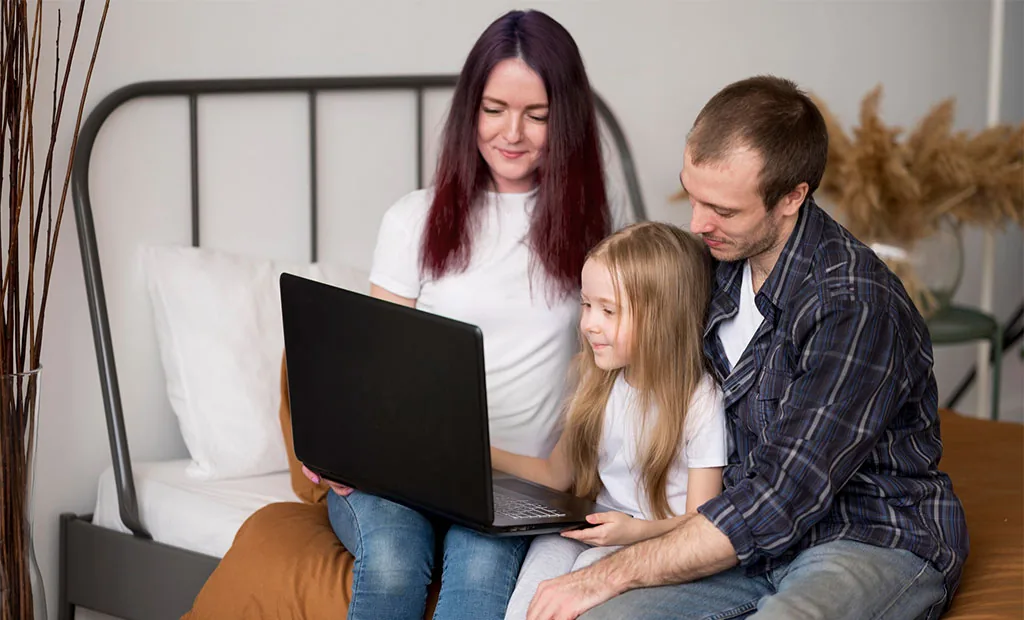
There is a particular silence that fills a room after a doctor says the words “birth defect.” It is the silence of a parent trying to take in medical language while their whole picture of the future quietly rearranges itself. If you have sat in that silence, or you love someone who has, this day is for you.
World Birth Defects Day is not only about the conditions themselves. It is about the families who carry them, often privately, often while smiling for everyone else. This guide walks through what the day is, how common these conditions are in Canada, the common types and causes, how prevention works, and where parents can find real support for their own mental health while they care for a child. We will go gently, and we will be honest about what is known and what is not.
When Is World Birth Defects Day?
World Birth Defects Day is observed every year on March 3. In 2026 it falls on a Tuesday. It is a global awareness day that highlights congenital conditions (health problems that are present from birth), the families living with them, and the value of prenatal care, early detection, and emotional support. It has been marked worldwide since 2015.
The date does not change from year to year, which makes it easy to plan around. Hospitals, research groups, and family organizations across Canada use the lead-up to March 3 to share information and to remind parents that they are not navigating this alone.
What Is World Birth Defects Day?
World Birth Defects Day is a worldwide awareness day held on March 3 to raise understanding of congenital conditions, support affected families, and push for better research and care. In Canada the focus is on equal access to information and support for every family, including those in rural, Northern, and Indigenous communities, where care can be harder to reach.
The day is not only about the medical challenges. It is also about recognizing the children who live full lives with these conditions, and the parents and siblings who love them. It is a call for more research, more funding, and more honest conversations about birth defects awareness, so that fewer families have to start their journey feeling lost.
How Common Are Birth Defects in Canada?
Congenital conditions are more common than many parents expect. According to the Public Health Agency of Canada, about 1 in 25 Canadian babies is diagnosed with one or more congenital anomalies (the medical term for birth defects) every year. That means thousands of families begin parenthood with extra medical complexity.
Globally, the picture is similar. The World Health Organization reports that millions of children are born with a serious birth defect worldwide every year, with heart defects, neural tube defects, and Down syndrome among the most common.
Canada has strong early-detection and screening programs, which is genuinely good news. But access is not equal everywhere. Families in rural, Northern, and Indigenous communities can face longer travel, fewer specialists, and longer waits. Better surveillance data helps governments send resources where they are needed most.
Common Types of Birth Defects
Birth defects are usually grouped into structural problems (something in the body did not form fully) and functional problems (a part of the body does not work as expected). Here are some of the common types of birth defects that families encounter:
- Congenital heart defects: problems with how the heart is built or how blood flows through it. These are the most common type of birth defect, and the emotional side of caring for a child with one is covered in our guide to congenital heart disease and mental health.
- Neural tube defects: problems with the brain or spine that form very early in pregnancy, sometimes before a parent even knows they are pregnant. Spina bifida is one example.
- Cleft lip and palate: a gap in the lip or in the roof of the mouth, which can usually be repaired with surgery, often in the first months or years of life.
- Limb differences: when an arm, leg, hand, or foot does not form completely.
- Chromosomal conditions: such as Down syndrome, where a baby has an extra or missing chromosome (the tiny structures inside cells that carry our genetic instructions).
Each of these looks different in every child. A label is a starting point for care, not a prediction of who a child will become.
Causes and Risk Factors for Birth Defects
One of the hardest moments for any parent is hearing that their child has a birth defect, and the first question is almost always the quietest one: did I do something wrong? For most families, the honest answer is no. Most causes of birth defects come from a mix of genetics and environment that no parent can fully control, and in many cases the exact cause is never found.
Some risk factors for birth defects are known. They include certain genetic conditions that run in families, some infections during pregnancy, drinking alcohol or smoking while pregnant, some medications, and unmanaged chronic conditions such as diabetes. Knowing these can help, but knowing them is not the same as blame. A child’s condition is not a verdict on their parents.
If you are planning a pregnancy or are pregnant now, early prenatal care matters. A conversation with your doctor or midwife about your health history is one of the most useful steps you can take.
Can Birth Defects Be Prevented?
Not all birth defects can be prevented, but you can lower the risk. Take 400 micrograms of folic acid daily before and during pregnancy, avoid alcohol, smoking, and recreational drugs, manage chronic conditions like diabetes with your doctor, and stay up to date on vaccinations. Health Canada has the full guidance.
Folic acid deserves a special mention. It is a B vitamin, and taking 400 micrograms (a small daily amount) before and during early pregnancy is shown to lower the risk of neural tube defects, the brain and spine problems that form in the first weeks. Because many pregnancies are not planned, health agencies suggest that anyone who could become pregnant consider a daily folic acid supplement.
None of this is about doing everything perfectly. It is about giving a pregnancy the steadiest start that is within reach, and forgiving yourself for the parts that are not.
Early Detection of Birth Defects
Early detection of birth defects can change what comes next. In Canada, screening during pregnancy and after birth can find many conditions early, which gives families time to plan, to build a care team, and to prepare emotionally before bringing a baby home.
Early information is not always easy to receive. But for many parents, knowing sooner means arriving at the first hard day already supported rather than blindsided. AboutKidsHealth by SickKids offers clear, trustworthy guides for parents on congenital conditions and what early signs can mean, written in plain language.
The Emotional and Mental Health Impact on Families
We do not talk enough about the parents. When a diagnosis arrives, it is not only a medical event. It is an emotional one. Many parents describe a kind of grief, not for their child, whom they love completely, but for the smooth pregnancy and worry-free early days they had pictured. That grief is real, and it is allowed.
Parents often move through some version of these feelings:
- The shock. It is hard to absorb information when your heart is pounding and the room feels far away.
- The guilt. Even when nothing was in your control, the “what ifs” can be loud and unkind.
- The isolation. Friends with healthy babies may not know what to say, and it can feel like you are living in a different world than the one you expected to share with them.
If you have found yourself crying in a grocery store aisle, or lying awake long after the house is quiet, you are not weak. You are a person carrying a heavy load with very little rest. Parents facing other serious childhood diagnoses describe the same weight, and our guide for families navigating a child’s serious illness speaks to it directly. This is exactly the kind of weight that emotional support is meant for, and seeking it is a form of strength, not a sign that you are failing.
You can read more about anxiety and depression if some of what you are feeling sounds familiar. Naming it can be the first foothold.
Caregiver Burnout: When the Carer Needs Care
Caregiver burnout is the deep physical, emotional, and mental exhaustion that builds up when you care for someone over a long time with little rest. For parents managing a child’s complex medical needs, it is common, and it is not a character flaw. According to the Canadian Mental Health Association, caring for someone you love can take a real toll on your own mental health, and looking after yourself is part of looking after them.
Some signs to watch for in yourself:
- Feeling drained, numb, or hopeless most of the time.
- Trouble sleeping, even when you are exhausted.
- Losing interest in things that used to bring you comfort.
- Pulling away from friends and family, or snapping at the people closest to you.
Small steps can help carry the weight: accepting help when it is offered, taking even ten quiet minutes for yourself, staying in touch with one trusted person, and talking to a professional before you reach empty. The mental health toll of a family health crisis is real, and our guide on cancer and mental health speaks to caregivers facing a similar strain. You cannot pour from a cup that has run dry, and your child needs you whole, not flawless.
World Birth Defects Day Canada: Awareness Activities
On World Birth Defects Day Canada, families and communities come together in a few simple ways. Wearing teal is the most recognized one. People also share stories using hashtags like #WorldBDDay, and many Canadian hospitals host community webinars to help parents understand prevention and care.
Teal is the colour worn for World Birth Defects Day. Wearing it, sharing a story, or joining a local webinar may feel small, but it adds up. Each act tells the world that children born with these conditions are valued members of their families and their communities, and it makes it a little easier for the next parent to speak up and ask for help.
Coping Strategies and Support Tips
There is no neat formula for coping with a child’s diagnosis, but a few gentle practices help many families keep going:
- Find your people. Peer support changes everything. The Canadian Organization for Rare Disorders connects families navigating rare and complex conditions, so you are not figuring it out from scratch.
- Stay in this hour. Thinking ten years ahead can be crushing. Ask only what the next hour needs from you.
- Count the small wins. A good weigh-in, a first smile, a calm clinic visit. These are real victories, and naming them out loud matters.
- Use tools that fit your life. Support should not become one more appointment you have to keep.
On that last point, the Saalvio mobile app is built to fit into the cracks of a hard day rather than add to the pile. Across Canada and North America, the app offers tools you can reach for any time: mood tracking to notice when clinic days are harder, a private journal to put down the heavy thoughts, calming music, cognitive games, and guided breathing for the long waiting-room hours. It also includes Thrive, an AI companion that can listen and guide a breathing exercise at 3 a.m. when you cannot sleep. Thrive is an AI companion, not a clinician and not therapy, and it is never a substitute for crisis help. It is simply a quiet presence for the hours when no one else is awake.
How Online Therapy Can Help Parents Cope
Sometimes the daily tools are not enough, and the weight needs a real human conversation. For parents in Ontario, online therapy in Ontario with Saalvio gives you a private space to process grief, anxiety, and caregiver burnout, without leaving your child’s side or finding a sitter for an in-person visit. If you have never sat with a therapist before, it can help to read what to expect in a first session so the unknown feels a little smaller.
Saalvio’s clinical team of registered psychotherapists and registered social workers works with the adults in a family, the parents and caregivers carrying the stress of long-term care. Sessions are talk therapy, focused on you: your worry, your guilt, your exhaustion, and the slow work of finding your footing again.
Before you book anything, you can message a therapist before you book and ask whatever you need to ask, such as whether they have worked with families like yours, or whether their approach fits what you are going through. There is no cost and no commitment, and it is not a sales call. Messaging is not therapy by text and not crisis support; it is simply a low-pressure way to find the right fit. Every Canadian’s first therapy session with a Saalvio clinician is free, so deciding to try is not a financial gamble.
Saalvio does not bill insurers directly. Sessions with a registered psychotherapist or registered social worker are typically reimbursable under many extended health benefit plans, and every client receives a detailed receipt to submit to their insurer. Saalvio virtual therapy is offered in Ontario today. The Saalvio app is available across Canada and North America. If you are not sure where to begin, our guide on how to find a therapist can help.
A Note on Siblings and Young People
Brothers and sisters of a child with a birth defect often carry quiet worries of their own. They may feel pushed to the side, or scared in ways they cannot put into words. If a young person in your family is struggling, please reach out for support made for them. Kids Help Phone is free, confidential, and available any time across Canada. Call 1-800-668-6868 or text CONNECT to 686868. Saalvio’s therapy is for adults, so for a child or teen, your family doctor, your child’s school, or a youth mental health service can connect you with clinicians who specialize in young people.
Stories of Resilience
Our clinical team has spoken with families across Ontario who once heard a long list of things their child might never do. Years later, those same parents describe milestones no one promised them: a first goal scored, a first day of school, a first sleepover. What many of them say is striking. The hardest part was often not the child’s care. It was the parent’s own fear. Once they had a place to set that fear down, even for an hour a week, they could be present for the good days instead of bracing for the next hard one.
A diagnosis is not a dead end. It is a different path, walked one ordinary, extraordinary day at a time. You do not have to walk it without support.
Frequently Asked Questions
When is World Birth Defects Day?
World Birth Defects Day is observed every year on March 3. In 2026 it falls on a Tuesday. It is a global awareness day that highlights congenital conditions, the families living with them, and the value of prenatal care, early detection, and emotional support. The date stays the same every year, which makes it easy to plan events and conversations around.
Can birth defects be prevented?
Not all birth defects can be prevented, but you can lower the risk. Take 400 micrograms of folic acid daily before and during pregnancy, avoid alcohol, smoking, and recreational drugs, manage chronic conditions like diabetes with your doctor, and keep up to date on vaccinations. Health Canada has the full prevention guidance.
What support is available for families in Canada?
Canada offers several layers of support. In Ontario, OHIP covers many essential surgeries and specialist visits for a child. The Canadian Organization for Rare Disorders provides advocacy and peer community. For a parent’s own mental health, the Saalvio app offers daily emotional tools across Canada and North America, and Saalvio virtual therapy is available for parents in Ontario.
How can online therapy help parents cope?
For parents in Ontario, Saalvio virtual therapy offers a private space to process grief, anxiety, and the caregiver burnout that often comes with managing a child’s complex medical needs. Registered psychotherapists and registered social workers help you find steadier ways to cope, on your own schedule, without leaving your child’s side. Every Canadian’s first session with a Saalvio clinician is free.
Clinically reviewed
Usman Khan, Registered Psychotherapist
Usman Khan is the Clinical Director of Saalvio and a Registered Psychotherapist with the College of Registered Psychotherapists of Ontario (CRPO #13456). He holds an MD, an MPH from Western University, and an MA in Counselling Psychology from Yorkville University. He reviews all clinical content on saalvio.com before publish.
See also across Saalvio
Topics mentioned in this post that have their own page on the site.
Talk to our clinical team
Saalvio offers a free 30-minute consultation with any therapist on the team. There is no card on file. If we are not the right fit, we will say so and help you find one.