
Exposure Therapy Types: A Compassionate Guide to Facing Fear
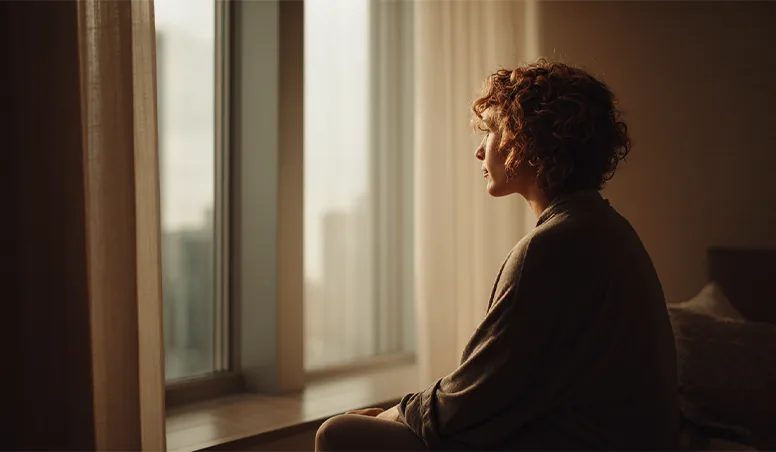
Fear has a quiet logic. It tells you to stay safe by staying away. Skip the party. Do not make the call. Take the stairs so you never have to stand in the elevator. And in the moment, it works, because the discomfort fades the second you back off. The problem is what avoidance teaches your brain over the longer run: that the thing you stepped around really was dangerous, and that the only safe move is to make your world a little smaller each time.
If you have been shrinking your life to keep the fear quiet, you already know how tiring that is. Exposure therapy offers a different path. Instead of running from fear, it helps you turn and face it slowly, at a pace you set, with the right support beside you. This guide explains what exposure therapy is, walks through the main exposure therapy types, and shows how each one works, so you can understand the tool before you ever decide to use it.
What Is Exposure Therapy?
Exposure therapy is a structured, evidence-based form of cognitive behavioural therapy (CBT), a talk therapy that works on the link between your thoughts, feelings, and actions. It helps you gradually face the situations, thoughts, or feelings you have been avoiding, at a pace you can manage. It works through habituation, which is the nervous system’s natural tendency to calm down once it learns a feared situation is not actually dangerous.
At its heart, exposure therapy is your brain updating its own threat map. When you meet something that feels threatening, again and again, and the feared catastrophe does not come, the alarm slowly turns itself down. As CAMH (Centre for Addiction and Mental Health) notes, exposure and response prevention is one of the behavioural techniques used in CBT for anxiety. Exposure is a core part of the CBT approach, not a fringe add-on.
How Does Exposure Therapy Work?
Exposure therapy works through habituation. When you face a feared situation repeatedly without the feared outcome happening, your brain updates its threat response. Anxiety rises at first, then plateaus and falls, usually within minutes. With each repetition the peak is lower and the recovery is faster, so the situation slowly stops feeling dangerous.
This is the mechanism underneath every type below. It is also why the order matters so much. You are not trying to white-knuckle your way through one terrifying moment. You are giving your nervous system enough gentle, repeated proof that it can lower the alarm on its own.
What Are the Types of Exposure Therapy?
The main types are gradual (a paced fear ladder), graded (often used in occupational and physical therapy), guided (a clinician works through the steps with you), controlled (a safe, predictable practice setting), repeated (consistent practice over time so habituation can take hold), and narrative (telling and reorganizing a difficult story). There is no single right form. A therapist matches the type, or a blend of types, to what you are carrying.
Gradual Exposure Therapy
What is gradual exposure therapy? Gradual exposure therapy builds a personalized fear ladder, which is a list of feared situations ranked from least to most distressing. You start at the bottom and move up only when each step feels manageable. This lets your nervous system get used to one situation before you face a harder one, so confidence grows step by step.
The fear ladder is the heart of gradual exposure therapy. For anxiety, it turns one overwhelming fear into a set of small, doable steps. Gradual exposure therapy for social anxiety is a good example. For someone who dreads being around other people, the ladder might begin with something small and build slowly:
- Making brief eye contact with a cashier
- Saying hello to a neighbour
- Ordering at a cafe
- Attending a small gathering
- Giving a short presentation to a few people
Because gradual exposure therapy for social anxiety is paced together with a therapist, you never have to leap to the top of the ladder. You build confidence one genuine step at a time, and you only climb when you are ready.
Graded Exposure Therapy
Graded exposure therapy shares the same philosophy as gradual exposure, but the term comes up most often in occupational therapy and physical therapy. It means a planned, steady increase in the demands placed on a person, whether those demands are physical, mental, or social.
In graded exposure occupational therapy, someone recovering from chronic pain or a workplace injury might begin with low-effort, familiar tasks and slowly add more demanding ones. In graded exposure physical therapy, the same idea applies to movements a person fears might cause pain or re-injury. Graded exposure therapy for anxiety uses the very same structured ladder, focused on emotional triggers rather than physical ones.
Graded exposure therapy examples:
- Walking for five minutes when you fear pain
- Lifting light objects
- Returning to a workstation
- Resuming an ordinary daily routine
Guided Exposure Therapy
Guided exposure therapy means you are not doing this alone. In guided exposure, a member of our clinical team works through the exposure steps with you during booked sessions. Having a guide does not make the work less effective. It makes it more possible. Guided exposure can help you:
- Feel safer as you face each step
- Stay consistent when avoidance pulls hard
- Make sense of strong emotions as they come up
This approach is especially helpful for people who feel too overwhelmed to begin exposure on their own.
Controlled Exposure Therapy
Controlled exposure therapy focuses on building a safe, predictable setting before any real-world element is added. The goal is to give the nervous system repeated, low-stakes practice with the feared situation, without the extra weight of doing it all at once in the real world.
This might include:
- Practising a feared scenario in a calm, prepared setting
- Using visualization to rehearse it first
- Slowly introducing real-world elements once the earlier steps feel steady
It is built to reduce overwhelm and to grow a sense of safety, so each step feels like something you can actually do.
Repeated Exposure Therapy and Habituation
Habituation in exposure therapy is not just one technique among many. It is the underlying mechanism that makes the whole process work. Exposure therapy habituation is the natural process by which your alarm response fades with repeated, non-threatening contact with something you fear.
Repeated exposure therapy is built on this. Instead of a single confrontation, it stacks up many consistent experiences over time. Each repetition sends the same quiet message to the brain: this is not dangerous, and you do not need to keep sounding the alarm.
Understanding habituation can be reassuring on its own. The discomfort you feel during exposure is real, and it is temporary. It is your brain doing exactly what it is built to do, and it settles with practice.
Narrative Exposure Therapy
Narrative exposure therapy is a little different from the others. Instead of facing an outside situation, it focuses on processing past experiences, especially trauma. With a trained therapist, it helps a person:
- Tell their story in a structured, supported way
- Reorganize how difficult memories are held
- Lower the distress attached to those memories
It is often part of trauma-informed care, and it asks for a clinician who can pace it carefully and who checks readiness first.
How Does Habituation Actually Feel?
One of the most common worries people have about exposure therapy is that it will feel unbearable. That worry is valid, and a good therapist will talk it through with you before anything begins. Here is what most people actually experience: at the start of an exposure exercise, anxiety rises and can feel intense, but within minutes it tends to plateau and then ease. That easing is habituation happening in real time.
The first few exposures are usually the hardest. By the third, fourth, or fifth repetition, the peak is lower and the recovery is quicker. This is not about pushing through or ignoring your feelings. It is about learning, from your own lived experience, that you can tolerate the discomfort and that the feared outcome does not arrive.
Is Exposure Therapy Effective?
Yes. Exposure-based approaches have strong evidence across a wide range of anxiety-related experiences, including specific phobias, social anxiety, panic disorder, OCD, generalized anxiety, and PTSD. Exposure is a core part of CBT. For many people, working at a paced, manageable level with the right support makes the discomfort tolerable and the gains lasting.
As CAMH explains, “Exposure therapy, a form of behavioural therapy, is often used to treat specific phobias.” The same structured, step-by-step approach is also widely used for exposure therapy for social anxiety, exposure therapy for phobias, exposure therapy for panic disorder, exposure therapy for OCD (OCD), and exposure therapy for PTSD (PTSD). What stays the same across all of them is the gentle logic: face the fear in small, repeated steps, and let the alarm learn it can settle.
Is Exposure Therapy Right for You?
Exposure-based approaches are recommended for many anxiety-related experiences, including specific phobias, social anxiety disorder, panic disorder, OCD, generalized anxiety, and PTSD. They are also a core part of CBT treatment for many overlapping conditions, which is why so many people meet exposure work somewhere in their care.
That said, exposure therapy is not the right fit for everyone at every moment. If you are currently in crisis, or if you are living with active trauma that has not yet been stabilized, it matters to work with a professional who can assess readiness and sequence your care in the right order. Facing a fear before you have steady ground under you is not the goal, and a careful therapist will not ask you to.
Getting Started with Exposure Therapy in Ontario
There is no universal schedule for exposure therapy. Some people notice meaningful shifts in a few weeks; others need several months. What matters most is consistency, kindness toward yourself in the process, and having the right support around you. You do not have to figure this out alone, and you do not have to decide everything tonight.
If you are in Ontario, for example exploring therapy in Ottawa or online therapy in Ontario more broadly, Saalvio connects you with registered psychotherapists and registered social workers who work in CBT-informed, trauma-aware care. You can read more on our exposure therapy page to see how this looks in practice.
Before you book anything, you can message a registered psychotherapist before you book and ask whatever you need to ask: whether they have worked with someone facing your particular fear, whether a paced exposure approach fits what you want, whether they will understand the life you come from. There is no cost and no commitment, and it is not therapy by text. It is just a conversation. Every Canadian’s first therapy session with a Saalvio clinician is free, so deciding to try is not a financial gamble on whether the fit will be right.
Exposure therapy in Ontario through Saalvio is delivered virtually by our clinical team. Across the rest of Canada and North America, the Saalvio app offers self-help tools, guided practices, and structured self-assessments you can use any time. Therapy with a Saalvio clinician is offered in Ontario today.
Frequently Asked Questions
What is gradual exposure therapy?
Gradual exposure therapy is a CBT-based approach where you work through a ranked list of feared situations, starting with the least distressing and slowly building to harder ones. It works by letting your nervous system get used to each feared situation, through a process called habituation, before you move on to the next step up the ladder.
How does graded exposure therapy differ from gradual exposure?
The terms are often used interchangeably and share the same core idea: building tolerance through small, structured steps. Graded exposure therapy is the term used more often in occupational therapy and physical therapy, where it means a planned increase in physical or task demands. Both approaches follow the same incremental, paced path toward a feared situation.
Is habituation in exposure therapy permanent?
Habituation effects can be long-lasting, especially when exposures are repeated consistently and paired with cognitive work, which means noticing and gently challenging unhelpful thoughts. Some people notice anxiety returning in new settings, but the skills and insight gained from exposure therapy tend to make future anxiety more manageable, not less.
Can I try gradual exposure therapy for social anxiety on my own?
Self-guided exposure can help with milder anxiety, especially when paired with a clear framework and some self-monitoring. For moderate or severe social anxiety, working with a therapist meaningfully improves the experience and the outcome. The Saalvio app can offer structured, CBT-informed self-help tools as a starting point or a complement, though an app is not therapy.
What are graded exposure therapy examples for everyday anxiety?
Common examples include making a phone call instead of texting for social anxiety, taking an elevator one floor for a fear of enclosed spaces, staying at a social gathering for fifteen minutes for performance anxiety, or gently returning to physical activity after an injury. The key is that each step is personalized and paced to you, never rushed.
Is exposure therapy safe?
Exposure is paced collaboratively, not forced. It is not about overwhelming yourself; a therapist assesses your readiness first, and sequences care carefully if you are in crisis or living with trauma that has not yet been stabilized. If you are in crisis, please use the crisis resources on this page before beginning any exposure work.
Is exposure therapy available in Ontario?
Yes. Saalvio offers virtual exposure-informed therapy across Ontario, delivered by registered psychotherapists and registered social workers trained in CBT-based, trauma-aware care, including exposure therapy in Ottawa and the rest of the province. Every Canadian’s first therapy session with a Saalvio clinician is free, framed as access to care, not a promotion.
If you need help right now
Saalvio is not a crisis service. If you are in immediate danger, please call 911. If you are in mental health crisis, please call 988 (the Suicide Crisis Helpline of Canada) or visit your nearest emergency department.
Clinically reviewed by Usman Khan, RP (CRPO #13456)
Clinically reviewed
Usman Khan, Registered Psychotherapist
Usman Khan is the Clinical Director of Saalvio and a Registered Psychotherapist with the College of Registered Psychotherapists of Ontario (CRPO #13456). He holds an MD, an MPH from Western University, and an MA in Counselling Psychology from Yorkville University. He reviews all clinical content on saalvio.com before publish.
See also across Saalvio
Topics mentioned in this post that have their own page on the site.
Talk to our clinical team
Saalvio offers a free first session with any therapist on the team. There is no card on file. If we are not the right fit, we will say so and help you find one.