Getting started

How to Choose the Right Therapist for You

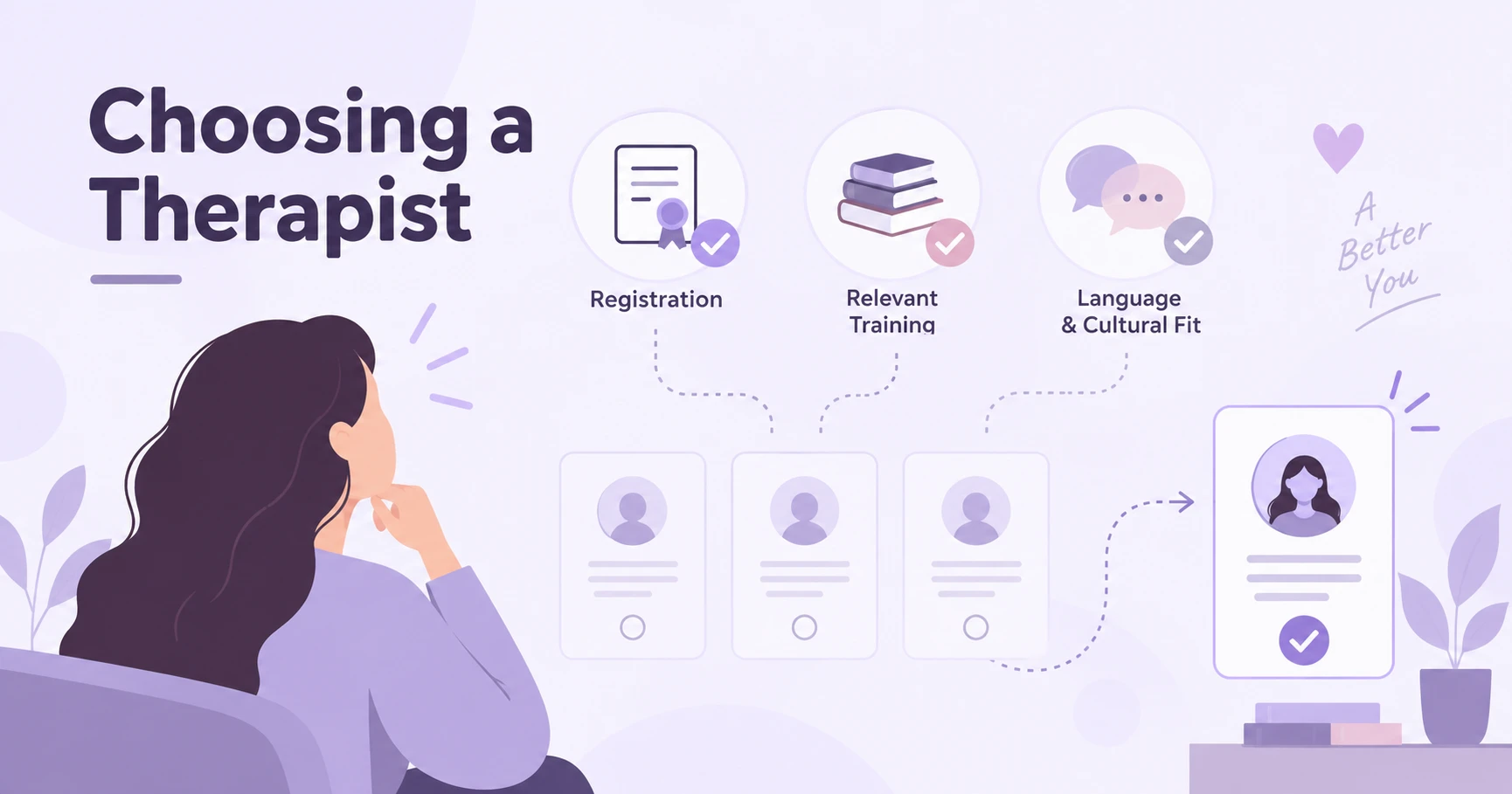
Choosing a therapist means checking their registration, training in your concern, and language or cultural fit, then paying attention to how safe and heard you feel once you are talking to them. Credentials narrow the list. Fit decides who stays on it. A free consultation before you commit is the fastest way to find out which is which.

Short answer

You can read ten therapist bios and still feel no closer to picking one. That is not you failing at research. Bios are written to sound reassuring to everyone, so they rarely tell you who is actually right for you. Choosing a therapist is less like reading a resume and more like figuring out, early on, whether a conversation with this specific person feels like relief or like more work.

What to look for in a therapist

Many people ask how to choose a therapist? Start with the parts you can actually verify before you ever talk to them.

  • Registration in good standing with a real regulatory college, such as the College of Registered Psychotherapists of Ontario (CRPO) or the Ontario College of Social Workers and Social Service Workers (OCSWSSW)
  • Training or direct experience with what you are bringing to therapy, whether that is anxiety, grief, a relationship, or something you cannot fully name yet
  • A therapeutic approach that fits how you process things, structured and skills-based like CBT (cognitive behavioural therapy), or slower and more exploratory
  • Language and cultural fit, especially if part of what you carry does not translate cleanly into your second or third language
  • Practical logistics: fees, availability, and whether sessions are video, phone, or in person

You can check any Canadian therapist's registration status yourself on the CRPO's public register before you book anything.

Choosing a therapist: registration, relevant training, and language and cultural fit

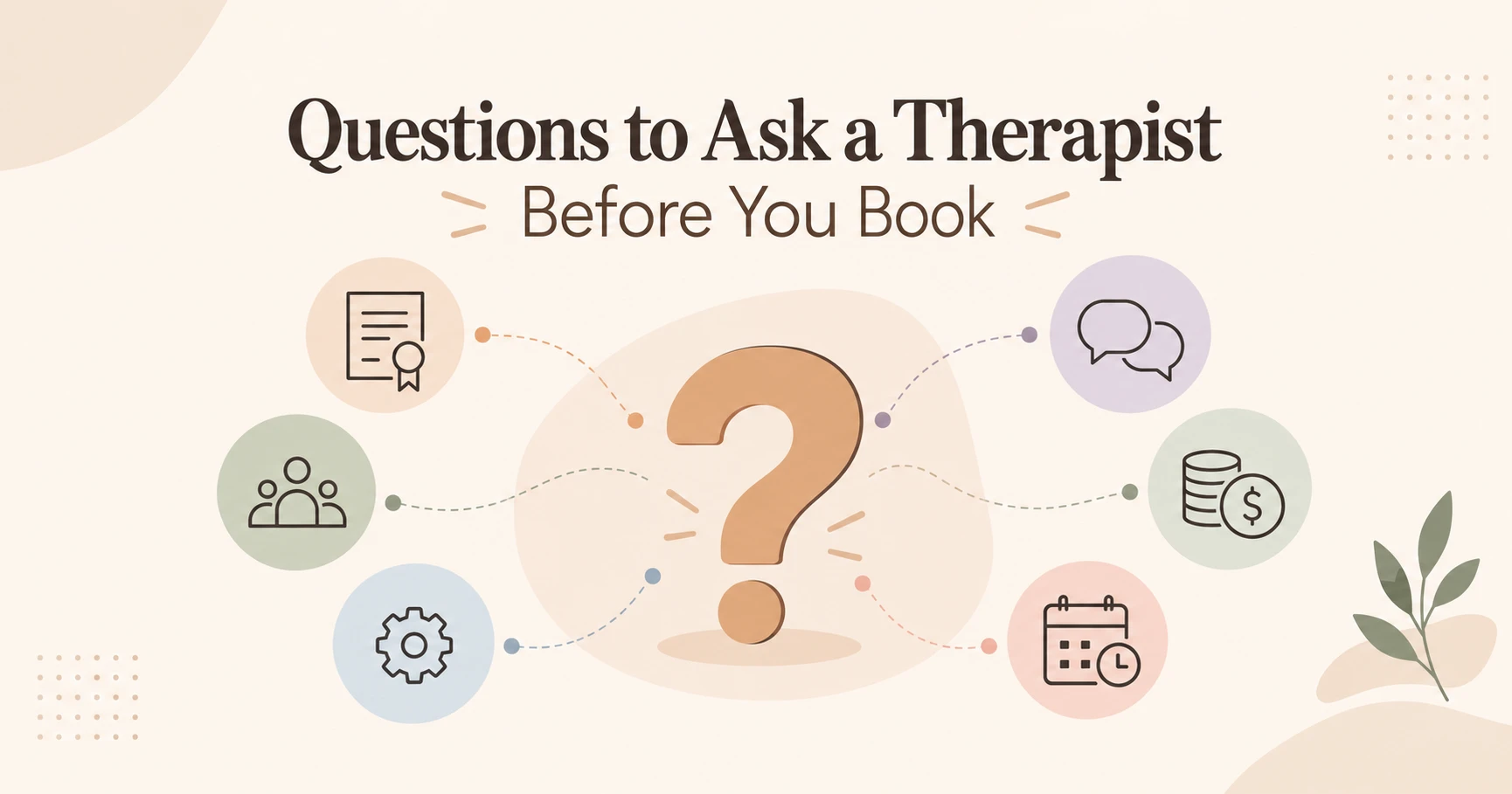
Questions to ask a therapist before you book

A short conversation before you commit tells you more than any bio. These questions work whether you are messaging a therapist first or meeting them at a consultation:

  • What is your training and professional designation, and who are you registered with?
  • Have you worked with people dealing with something like what I am going through?
  • What does a typical course of therapy with you look like?
  • How do you work with clients from a different cultural or religious background than your own?
  • What are your fees, and is there any flexibility if the standard rate is a stretch?
  • What happens if I need to reach you between sessions?

If you have not started looking yet, our guide on how to find a therapist walks through where to start before you get to this stage.

Why therapist fit matters more than a perfect resume

Researchers call it the therapeutic alliance, the trust and connection between you and your therapist, and it is one of the strongest predictors of whether therapy actually helps, sometimes more than which specific method a therapist uses. The Ontario Psychological Association points to this relationship as the thing worth weighing alongside credentials, not instead of them. A therapist can have every certification that matters and still not be the right therapist fit for you, and that says nothing about their skill. It says something about the match.

Questions to ask a therapist before you book

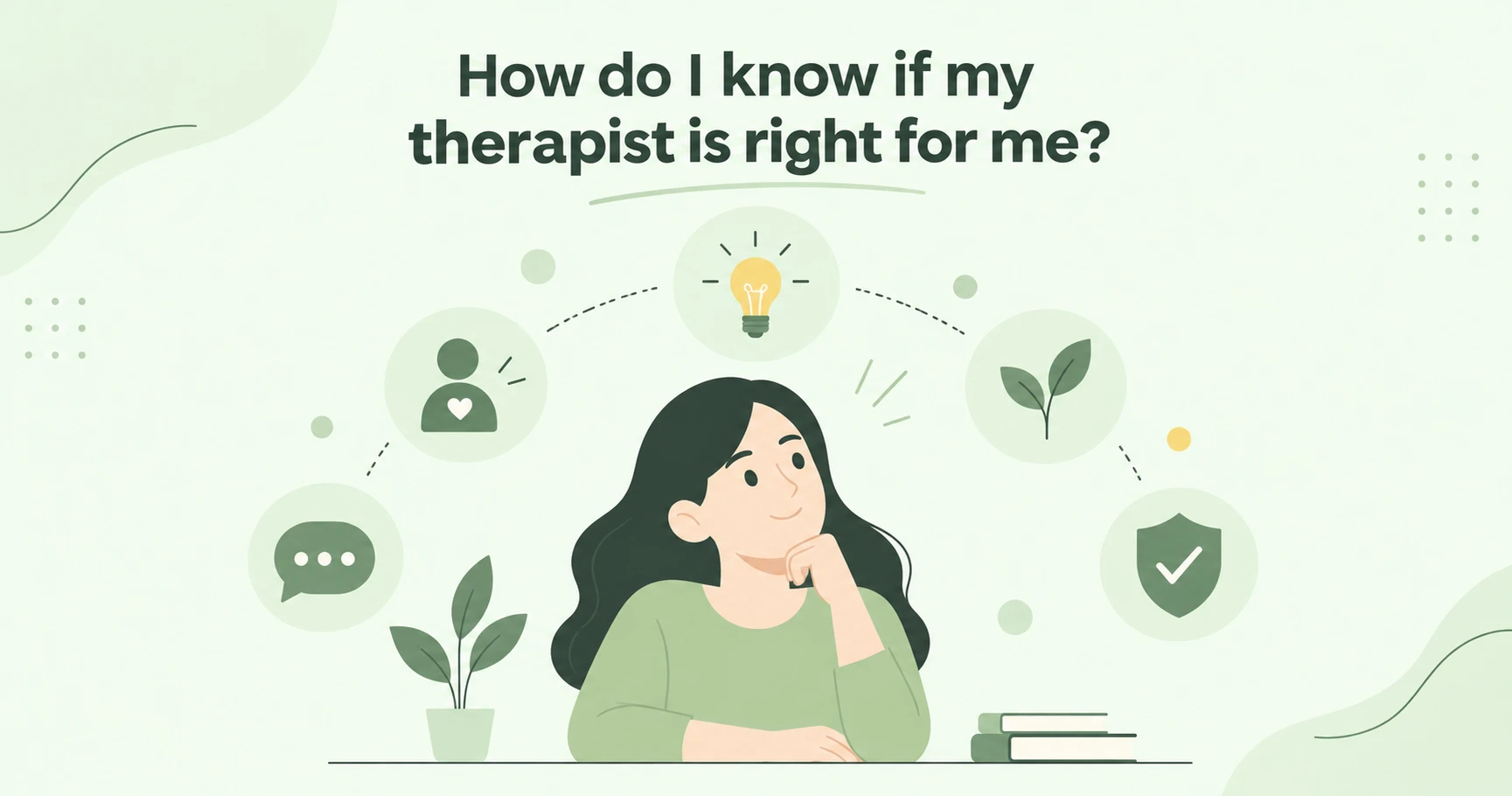
How do I know if my therapist is right for me?

A few honest signals, after a session or two:

  • You feel more like yourself talking to them, not smaller or more careful
  • They explain their approach and their limits clearly, without vague reassurances
  • You leave sessions with something, even if it is just a question you had not thought to ask yourself
  • Silence in the session does not feel awkward, it feels like room to think
  • You are not editing yourself to protect their feelings

Signs it might not be the right fit

Trust your read on this. Watch for a therapist who promises quick fixes or guaranteed results, dismisses your questions about their approach, or leaves you feeling more managed than heard. None of these mean you did anything wrong by trying. They mean it is worth looking further.

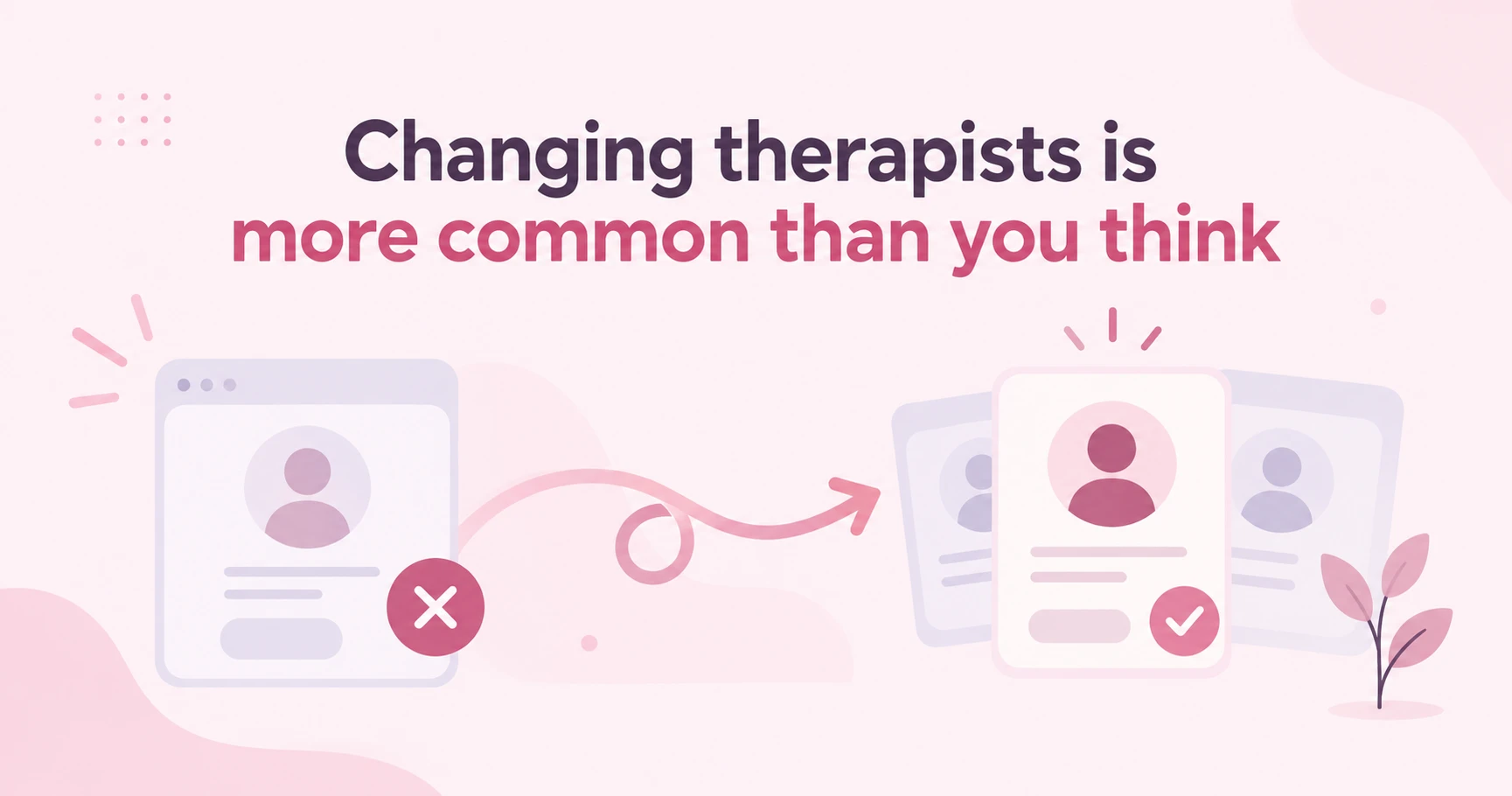
Changing therapists is more common than you think

Nobody gets it right on the first try every time, and changing therapists partway through is not starting over from zero. Most of what you have already worked through stays with you. If the fit is not there, telling Saalvio's clinical team is enough. We will help match you with someone better suited to what you need, at no extra cost, and there is nothing awkward about saying it plainly: this was not quite the right fit.

How do I know if my therapist is right for me?

Using the free consultation to check fit before you commit

This is exactly what Saalvio's Free 30-Minute Consultation is built for. It is how most clients figure out how to find the right therapist without booking blind: you meet a registered clinician, ask the questions above, and get a real feel for how they work, before any full session or any payment. It is not a full therapy session, and a fuller assessment comes once therapy itself begins. Prefer to ask a question or two first, without booking anything yet? You can also message a therapist directly, at no cost and no commitment.

Once you do sit down for your first full session, the mechanics are worth knowing ahead of time too.

For a full walkthrough of therapist first session questions and what the first hour actually looks like, see what to expect in your first therapy session.

Ready to find your fit?

Meet the therapists on our team, message one with your questions, or book your free consultation. There is no wrong door in.

Meet our therapists

Changing therapists is more common than you think

Frequently asked questions

How do I choose a therapist in Ontario?

Start by confirming registration with the CRPO or OCSWSSW, then look for training in your specific concern and language or cultural fit. From there, a short conversation, through messaging or a free consultation, tells you more about fit than any credential alone.

What should I look for in a therapist?

Real registration in good standing, relevant training or experience, an approach that matches how you process things, and language or cultural fit if that matters to you. After that, pay attention to whether you feel heard and safe once you are actually talking.

How to choose a therapist for me?

You generally feel more like yourself around them, not smaller or more guarded, and you leave sessions with something to think about. If you are editing yourself to protect their feelings, that is worth noticing too.

Is it normal to want to change therapists?

Yes. Changing therapists partway through is common and does not mean starting over. Most of what you have already worked through stays with you. Tell Saalvio's clinical team and we will help match you with someone else at no extra cost.

What questions should I ask a therapist before booking?

Ask about their training and registration, experience with concerns like yours, their general approach, how they work across cultural differences, their fees, and how to reach them between sessions.

Ready to talk to someone?

Your first 30 minutes at Saalvio is a free consultation, with no card on file and no obligation to continue. If you are not sure where to start, our clinical team can help you figure out the right next step.

Join the Thrive AI Waitlist

Thrive AI is live in Canada and the US today.